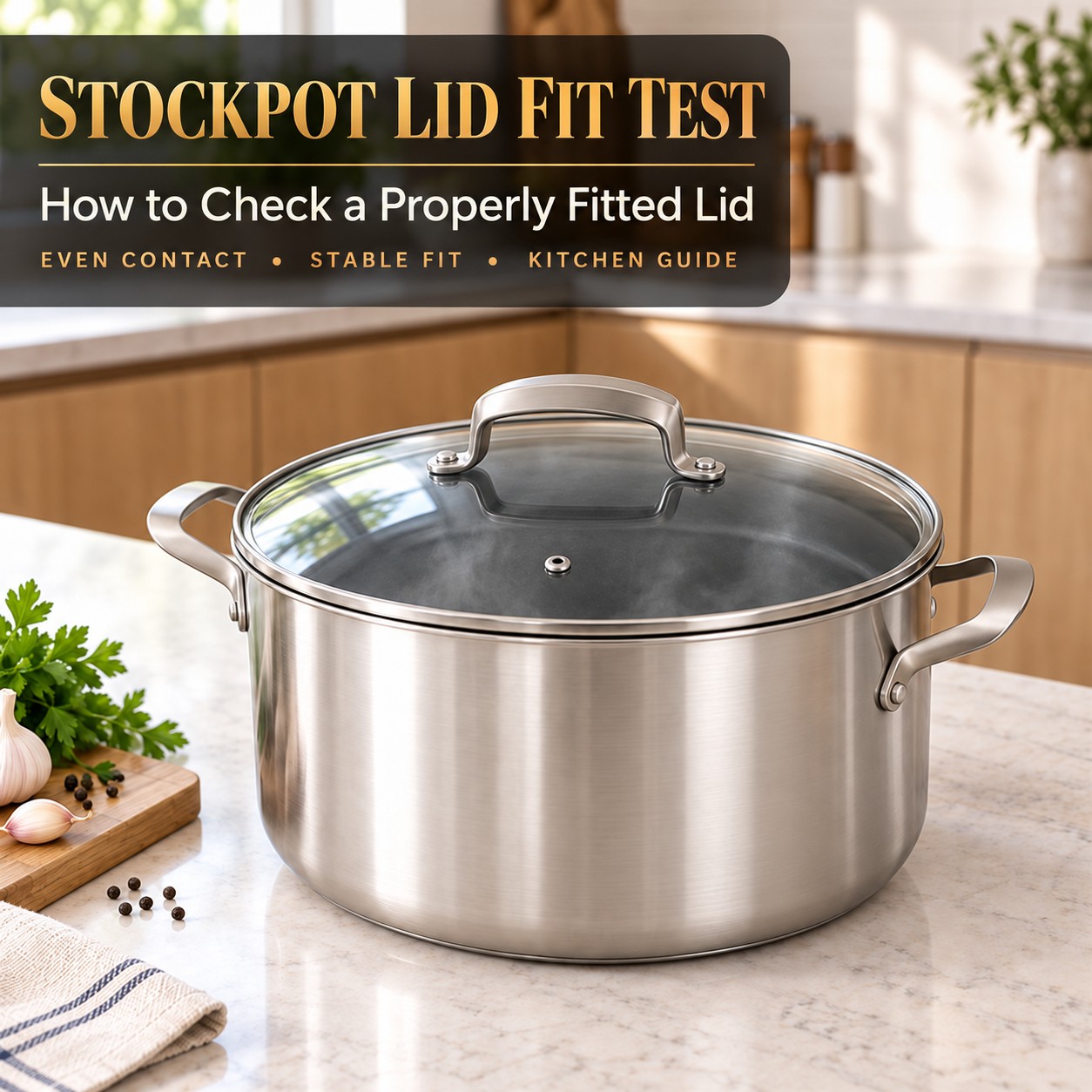
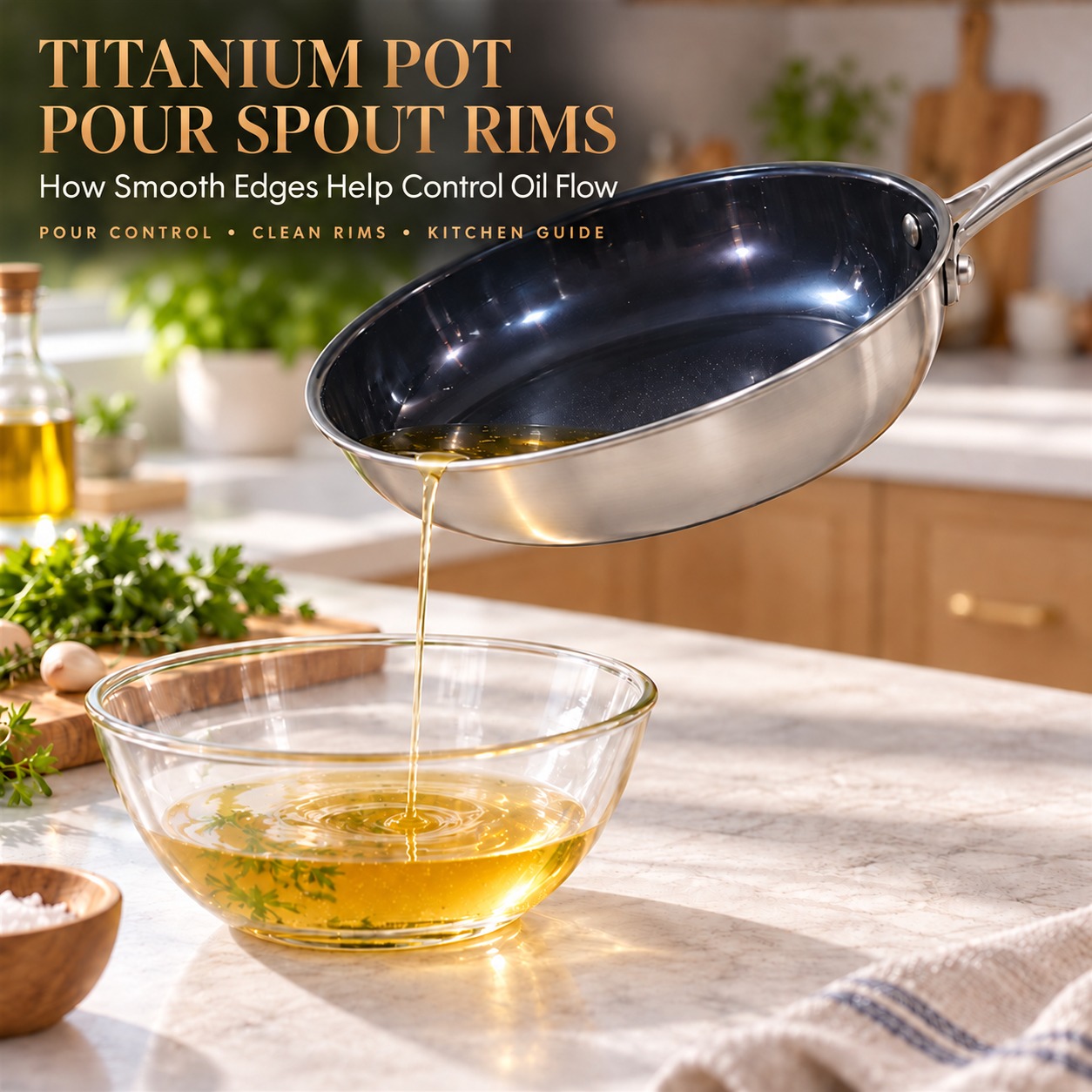
If you are asking can you use ceramic cookware on a gas stove, the answer is usually yes, but only with the right heat control and the right type of ceramic pan. A gas stove exposes cookware to direct flame, fast temperature changes, and uneven edge heat. That makes it different from a smooth electric cooktop or induction surface.
The most important detail is that modern ceramic cookware is usually not a solid ceramic pot. Most products are metal pans with a ceramic-style coating over aluminum or stainless steel. That coating can work on gas, but it should be protected from oversized flames, empty high-heat preheating, and repeated overheating. If the coating is damaged, the pan should be treated differently from a true solid ceramic vessel.
Gas heat is powerful because the flame can wrap around the sides of a pan. That is useful for fast heating, but it can also discolor the exterior, age coatings, damage handles, or create hot spots if the burner is too large. The goal is not to avoid gas completely. The goal is to match the flame to the base, use moderate heat, and understand the limits of the cookware surface.
This guide explains how ceramic pans behave on gas stoves, what risks to watch for, how to control heat, which ceramic cookware types are more suitable, and when a different material may be more practical for daily cooking. The answer is balanced: ceramic can work well, but it is not the best surface for every gas-stove cooking habit.
1. Quick Answer: Ceramic Cookware on a Gas Stove
Most ceramic-coated pans can be used on a gas stove if the manufacturer allows stovetop use and the pan has a stable metal base. Use low to medium heat, keep the flame under the pan base, avoid long empty preheating, and let the pan cool naturally before cleaning. These habits protect both the coating and the pan structure.
The risk is not that gas stoves are automatically unsafe for ceramic cookware. The risk is that gas flames can be stronger and less forgiving than users expect. A flame that reaches beyond the pan base can heat the coating edges, sidewalls, handle joints, and exterior finish. That kind of heat exposure can shorten the useful life of ceramic-style cookware.
Solid ceramic cookware, ceramic-coated aluminum, ceramic-coated stainless steel, and ceramic nonstick pans should not be treated as one category. Solid ceramic or clay-style vessels may have their own thermal shock rules. Ceramic-coated metal pans depend on the coating and base metal. Always check the product instructions before using any ceramic-labeled pan directly over flame.
For daily gas cooking, ceramic cookware is best for gentle foods: eggs, pancakes, vegetables, reheating, and low-oil cooking at moderate temperature. It is less ideal for aggressive high-heat searing, long empty preheating, wok-style flame cooking, or any routine that pushes the coating close to its limit.
2. Why Gas Stoves Are Harder on Ceramic Pans
A gas burner does not heat only the center of the pan. Flames can spread, pulse, and wrap up the sides when the burner is too large or the flame is too high. That creates a heat pattern that can be uneven. The center of the base may heat quickly while the edges, sidewalls, and handle area experience separate bursts of heat.
Ceramic-style coatings perform best when heat is controlled. They are often chosen for their smooth feel and easy food release, but their useful life can decline when exposed to excessive heat. A pan may still look attractive, yet food begins sticking sooner, oil stains become darker, and the surface becomes harder to clean.
The base material matters as much as the coating. Many ceramic pans use aluminum because it heats quickly and spreads heat well. That can be useful on gas, but thin aluminum bases may also respond quickly to flame changes and become less stable under poor heat control. A thicker, flatter base is usually more forgiving.
Gas stoves also encourage habits that are not ideal for coating-based cookware. Some users turn the knob high to heat the pan faster, leave the pan empty while preparing ingredients, or let flames climb the sidewall. Those habits may be acceptable for certain heavy traditional materials, but they can shorten the life of ceramic-coated cookware.
3. Ceramic Cookware Types and Gas Stove Compatibility
| Cookware Type | Gas Stove Compatibility | Main Risk | Best Practice |
|---|---|---|---|
| Ceramic-coated aluminum pan | Good for low to medium heat. | Coating ages faster under oversized flame or empty high heat. | Use moderate flame and keep heat under the base. |
| Ceramic-coated stainless pan | Good if the base is thick and flat. | May heat slower, causing users to overcorrect with high flame. | Preheat gradually and avoid sudden temperature swings. |
| Solid ceramic or clay-style vessel | Depends heavily on manufacturer guidance. | Thermal shock or cracking if exposed to sudden direct flame. | Use only if rated for stovetop flame and follow instructions. |
| Ceramic nonstick frying pan | Useful for eggs and delicate foods. | Food release declines when coating is overheated or worn. | Use low to medium heat and replace when the surface fails. |
| Thin low-cost ceramic pan | Usable but less forgiving. | Warping, hot spots, and short coating life. | Avoid high flame and do not use for heavy searing. |
This table shows why the question cannot be answered by the word ceramic alone. A thick ceramic-coated metal pan rated for gas is very different from a delicate solid ceramic vessel. The safest approach is to identify the actual construction before deciding how to use the pan.
If a product page does not clearly state gas compatibility, treat the pan carefully. Start with low heat, avoid empty preheating, and watch for signs such as discoloration, odor, coating dullness, or uneven cooking. When the manufacturer gives a maximum temperature or stovetop restriction, follow that guidance rather than relying on general advice.
4. Flame Size: The Most Important Gas Stove Rule
The flame should stay under the flat bottom of the pan. If flames climb the sidewall, the burner is too high or too large for the cookware. This matters because the pan base is designed to receive heat, while the sides, coating edges, handle mounts, and exterior finish may not be designed for direct flame exposure.
A common mistake is using a small ceramic pan on a large gas burner. The center heats quickly, but the flame spreads beyond the base and attacks the sides. Food may stick in the center while the side finish overheats. The user may think the pan is poor quality, when the real issue is burner mismatch.
Use the smallest burner that matches the pan base, then raise heat gradually only if needed. For delicate foods, start lower than you would with stainless steel or cast iron. Ceramic coatings do not need extreme heat to release food, and high heat can reduce the life of the surface.
Flame color and stability also matter. A steady blue flame is easier to control than a flame that sputters, spreads unevenly, or climbs unpredictably. If the stove flame is irregular, the cooking problem may be the burner, not the pan. Keeping burners clean helps cookware perform more consistently.
5. Heat Limits and Empty Preheating
Ceramic-coated cookware should not be treated like heavy cast iron. Empty preheating at high flame can push the surface temperature up quickly, especially with thin pans. Because there is no food or liquid to absorb heat, the coating and base may experience stress before cooking even begins.
For most ceramic pans on gas, a short low-to-medium preheat is enough. Add oil or food before the pan becomes excessively hot. If oil smokes immediately, the pan is probably too hot. If food browns too fast in the center and stays pale at the edges, reduce heat and check burner size.
High heat is not always faster in practical cooking. It can burn oil, stain the coating, create sticky residue, and make cleaning harder. A moderate flame often produces better results because heat has time to spread through the base. This is especially important for pancakes, eggs, fish, and foods with sugar or starch.
If you need repeated high-heat searing, ceramic-coated cookware may not be the best daily tool. A more heat-tolerant material or a multi-layer structure may be more suitable. Ceramic can be a useful gentle-cooking pan, but it should not be forced into every gas-stove task.
6. Coating Wear: What Gas Cooking Changes Over Time
Ceramic cookware often feels excellent when new. Food release is smooth, the surface looks clean, and cooking feels simple. Over time, gas heat can reveal the coating's limitations. Repeated flame exposure, oil polymerization, and temperature swings can make the surface less slick and more stain-prone.
This decline is usually gradual. Eggs begin needing more oil. Pancakes release less cleanly. Brown oil patches appear near the center. The exterior may darken where flames reach the sidewall. These signs do not always mean the pan is immediately unsafe, but they show that the pan is no longer performing like a new ceramic surface.
The most important warning signs are peeling, flaking, or exposed base material. When a ceramic-style coating is visibly damaged, the pan should be replaced. The safety profile changes because the food-contact surface is no longer the intact coating the buyer expected.
For a broader comparison of coating-based convenience and material-based durability, see Titanium Cookware vs Ceramic. That comparison helps explain why ceramic is useful when new but may not be the longest-lasting choice for daily gas-stove cooking.
7. How to Use Ceramic Cookware on Gas Safely
Start by checking the pan base. It should sit flat and stable on the burner grate. A warped or rocking pan heats unevenly and increases spill risk. If the pan feels unstable before heating, do not rely on it for liquids, sauces, or foods that require steady handling.
Choose the correct burner. The flame should match the base size and remain under the cookware. Start with low or medium heat, then adjust slowly. This gives the base time to spread heat and reduces stress on the coating. Avoid the habit of starting on high simply to save a minute.
Use enough oil or liquid for the cooking task. Ceramic pans are often sold for low-oil cooking, but low oil does not mean no heat management. A small amount of oil can protect delicate foods and reduce burnt residue. For sauces and simmering, keep enough liquid in the pan to prevent dry hot spots.
Let the pan cool naturally before washing. A hot pan placed under cold water can experience thermal shock, especially if the base is thin or the coating is already worn. Cooling first also makes residue easier to judge. Warm water and mild detergent are usually enough for routine cleaning.
8. Gas Stove Mistakes That Shorten Ceramic Pan Life
The first mistake is oversized flame. Flames should not wrap around the sides of a ceramic-coated pan. Side flame can discolor the exterior, overheat coating edges, and warm handle connections. If you see flame beyond the base, reduce heat or move the pan to a smaller burner.
The second mistake is long empty preheating. Some cookware materials tolerate empty heat better than coating-based pans, but ceramic coatings are not meant to be cooked empty for long periods. Add oil or food once the pan is gently warm, and avoid letting the surface smoke.
The third mistake is using the pan for tasks that require constant high heat. Ceramic cookware can handle many daily meals, but it is usually not the best choice for repeated hard searing or flame-heavy cooking. If a recipe requires extreme heat, choose cookware designed for that job.
The fourth mistake is ignoring gradual coating decline. A pan that sticks badly, stains heavily, or has visible coating failure should not be treated like a new pan. Continuing to push a failing coating with high gas heat usually makes performance worse.
9. Ceramic vs Other Materials for Gas Stoves
| Material | Gas Stove Strength | Main Limitation | Best Fit |
|---|---|---|---|
| Ceramic-coated cookware | Easy release when new and good for gentle cooking. | Coating wear under high heat and repeated flame exposure. | Eggs, pancakes, low-to-medium heat meals. |
| Stainless steel | Durable and widely compatible with gas. | Can stick without preheating technique and may discolor. | Browning, boiling, sautéing, general daily use. |
| Cast iron | Excellent heat retention and high-heat tolerance. | Heavy and requires seasoning care. | Searing and heat-heavy recipes. |
| Pure titanium | Lightweight and corrosion-resistant. | Thin designs may heat unevenly on gas. | Simple boiling, soups, camping-style use. |
| Tri-ply titanium | Stable titanium inner surface plus improved heat spread. | Higher upfront cost than basic coated pans. | Daily cooking where stable food contact and balanced heat matter. |
This comparison shows that ceramic is not wrong for gas. It simply has a narrower comfort zone. It works best when the user wants gentle cooking and accepts that coating performance may decline. For higher durability or broader daily use, other constructions may be more suitable.
If heat distribution is your main concern, compare cookware structure carefully. Thin pans are less forgiving on gas because flames create concentrated heat. Multi-layer cookware spreads heat more evenly and reduces the chance that one center spot burns before the rest of the food cooks.
For a deeper look at heat-spreading structure, see Is Titanium Cookware Good at Heat Distribution?. That topic matters because gas cooking is not only about surface material; it is also about how heat moves through the base.
10. When Ceramic Cookware Is Not the Best Choice
Ceramic cookware may not be the best choice if you frequently cook with very high flame. If your routine includes aggressive searing, dry roasting on the stovetop, or frequent preheating until oil smokes, ceramic coating will age faster than you expect. A different material is more practical for that style.
It may also be a poor fit if your gas burners are much larger than your pans. Oversized burners are hard on small ceramic skillets. The side flame can damage the finish and shorten coating life. In that situation, changing burner habits or pan size may matter more than changing the brand.
Ceramic is also not ideal if you want a pan that lasts for many years without relying on coating condition. A ceramic-style surface can be useful, but it is still a coating system. Once food release is gone or the surface is damaged, the pan no longer delivers its original benefit.
If your main priority is long-term food-contact stability instead of low-oil release, a true metal cooking surface may be a better fit. TITAUDOU's focus is a titanium inner surface with a layered structure, which aims to combine stable food contact with practical heat performance for daily cooking.
11. Better Alternatives for Heavy Gas-Stove Cooking
For heavy searing, cast iron or thick stainless steel can be more suitable than ceramic. They tolerate high heat better and are less dependent on a delicate easy-release coating. The tradeoff is weight, maintenance, or more cooking technique. There is no perfect material, only better matches for specific tasks.
For daily cooking with better balance, multi-layer cookware deserves attention. A layered structure can spread heat more evenly than a thin single-metal pan. That helps on gas because the burner creates concentrated heat zones. Even heat spread reduces burning in the center and undercooking at the edges.
Tri-ply titanium is relevant here because it separates food-contact stability from heat-spreading function. The titanium inner layer touches food, the aluminum core spreads heat, and the stainless exterior supports structure. This is different from ceramic-coated cookware, where the coating is both the food-contact surface and the part most likely to decline over time.
For more about high-heat limits in ceramic surfaces, see Ceramic Cookware for High Heat. Gas users should understand heat limits before deciding whether ceramic is the right everyday pan.
12. Buying Checklist for Ceramic Pans Used on Gas
First, confirm gas compatibility. The product page or manual should clearly say the cookware can be used on gas. If it only says stovetop safe without detail, look for additional guidance. If it says not for direct flame, do not use it on a gas burner.
Second, check the base. A flat, reasonably thick base is more stable over flame than a thin, flexible base. The pan should sit evenly on the burner grate. If the base is already warped, gas heat will make even cooking harder.
Third, look at handle design. Gas flames that climb the sidewall can heat handles and connection points. A comfortable handle still needs protection from oversized flame. If the handle material has temperature limits, follow them.
Fourth, judge the coating honestly. A new ceramic coating can be convenient, but the buyer should expect gradual performance change. If you want a long-term cooking surface rather than a coating-based release surface, consider whether another structure fits your kitchen better.
13. Troubleshooting Common Gas-Stove Problems
If food sticks in the center but not near the edge, the flame is probably too concentrated. Gas burners create a circular heat pattern, and thin cookware bases may not spread that heat evenly. Lower the flame, use a smaller burner, and allow the pan to warm more gradually before adding food.
If the bottom exterior turns brown or black, check whether flame is reaching beyond the pan base. Exterior discoloration is common when oil vapor, flame, and residue meet the outer finish. It is often a heat-control issue rather than a food-contact issue, but it can make the pan harder to clean and may signal that the burner is too strong.
If the pan smells strange during cooking, do not immediately assume the ceramic surface is unsafe. Odor can come from burnt oil, old residue, detergent left after washing, food trapped around handle connections, or overheating. Clean the pan thoroughly, reduce the flame, and test again with a simple food or water-based recipe.
If the coating looks dull and food release is poor, the ceramic-style surface may be aging. This is common after repeated high heat or long use. The pan may still be usable for some tasks, but it should no longer be treated like a new easy-release pan. If the surface peels or exposes base material, replacement is the practical answer.
If the pan rocks on the grate, stop using it for liquids or heavy foods. A warped base can create uneven heating and spill risk. Gas grates are less forgiving than flat cooktops because the pan must rest securely on points of contact. Stability is part of safe cooking, not only a comfort issue.
14. Cooking Scenarios: Good Fit vs Poor Fit
Ceramic cookware is a good fit for low-to-medium heat breakfast foods. Eggs, omelets, pancakes, and crepes benefit from a smooth surface and controlled flame. The best results come from gentle preheating, a small amount of oil or butter, and enough patience to avoid scorching the center before the food releases.
It is also useful for reheating leftovers, sautéing tender vegetables, warming sauces, and making quick meals where the pan does not need to stay extremely hot for a long time. In these cases, gas heat can be controlled well enough, and the ceramic surface can make cleanup easier while the coating is still in good condition.
Ceramic is a weaker fit for hard searing. Steak, very hot stir-fry, blackened foods, and recipes that require the pan to be empty and extremely hot are not the best matches. Those techniques push the surface and base harder than gentle cooking. If those recipes are common in your kitchen, ceramic should be a secondary pan, not the main workhorse.
It is also a weaker fit for careless high-flame cooking. Some users turn gas burners high by habit, even for foods that do not need it. Ceramic surfaces punish that habit over time. The pan may not fail immediately, but performance declines faster. Better cookware choice begins with an honest look at the user's cooking style.
For simmered foods, ceramic can work if the base is stable and heat is low. However, long cooking can reveal hot spots in thin pans. Stir occasionally, keep enough liquid in the pan, and avoid letting sauce reduce until the base is nearly dry. Burnt sugar, starch, or tomato residue can stain ceramic-style surfaces quickly.
15. What Manufacturers Usually Mean by Ceramic Safe for Gas
When a product says it is safe for gas, that usually means the base and handle system can be used on a gas burner under normal conditions. It does not mean the pan can be overheated without consequences. Compatibility is not permission to ignore flame size, heat level, or coating care.
Manufacturer instructions may include temperature limits, dishwasher guidance, utensil guidance, and stove compatibility. Those instructions matter because ceramic-style cookware varies widely. A thick premium pan and a thin budget pan may both use ceramic language, but they may not tolerate gas heat in the same way.
If the manual says low or medium heat only, take that seriously. Many foods do not need high flame, and ceramic coatings are often designed around controlled heat rather than maximum heat. Users who want one pan for every temperature may be happier with a different material or a layered structure.
If a seller gives no guidance, judge conservatively. Use a smaller burner, keep the flame below the base, avoid empty high heat, and inspect the surface after each use. A lack of guidance does not prove a pan is unsafe, but it does place more responsibility on the buyer.
16. How Gas Stove Design Affects Ceramic Cookware
Not all gas stoves behave the same. A sealed burner, open burner, high-BTU burner, and small simmer burner create different heat patterns. A ceramic pan that works well on a low-output burner may age faster on a powerful burner if the user does not adjust the flame.
Burner grates also matter. The pan should sit flat and stable. If the grate design leaves the pan tilted or poorly supported, heat and oil will collect on one side. That can create uneven browning, sticky residue, and spill risk. Pan stability should be checked before the burner is turned on.
Wind or strong ventilation can change flame behavior. On some gas stoves, a draft can push flame to one side of the pan. That creates side heating and uneven cooking. If one side of the pan discolors more than the other, watch the flame during use instead of only looking at the pan afterward.
Simmer control is important for ceramic cookware. A burner that cannot hold a steady low flame may make gentle cooking harder. If the flame repeatedly jumps higher than intended, use a different burner or a different pan. Good heat control protects the coating more than any single cleaning habit.
17. Cleaning After Gas Stove Use
Let the pan cool before washing. This simple step protects the coating and reduces thermal stress. It also gives burnt residue time to soften if you add warm water after the pan is no longer extremely hot. Rushing from flame to cold water is one of the easiest ways to shorten cookware life.
Use warm water, mild detergent, and a soft cleaning pad for ceramic-coated pans. If oil residue is sticky, soak first instead of forcing the residue off immediately. Most gas-stove stains come from heat and oil, so patience is more effective than aggressive cleaning.
Clean the exterior too. Gas flames can leave residue under the base and along the sidewall. A dirty exterior can smoke during the next use and make the user think the pan itself is producing odor. Keeping the outside clean improves both appearance and cooking confidence.
Dry the pan completely before storage. Moisture around handle joints, rims, or layered edges can create stains or odors. Good drying also makes coating damage easier to spot. A clean, dry pan is easier to inspect than one covered with mineral spots and old oil film.
18. Final Buying Advice for Gas Users
If you are buying ceramic specifically for a gas stove, choose a pan with a flat, stable, reasonably thick base. Avoid the thinnest pans if you cook often. Thin pans may be attractive because they are light and affordable, but gas heat exposes their weaknesses quickly.
Choose pan size according to burner size. A small pan on a large burner is a common cause of side flame damage. A large pan on a tiny burner can heat slowly and unevenly. The best pan is not only the one with the right surface; it is the one that matches your stove.
Decide whether you want a convenience pan or a long-term pan. Ceramic is often a convenience choice: smooth release, attractive surface, and easy cleaning when new. A long-term pan should be judged more by construction, heat distribution, and food-contact stability.
For households that cook daily on gas, a mixed cookware strategy can work well. Use ceramic for gentle low-to-medium heat foods. Use thicker or layered cookware for searing, simmering, and repeated family meals. This approach prevents one pan from being forced into every task.
19. Final Verdict: Ceramic Cookware on Gas Stoves
Ceramic cookware can be used on a gas stove when the product is rated for gas and the user controls flame carefully. Keep the flame under the pan base, use low to medium heat for most meals, avoid long empty preheating, and allow the pan to cool before cleaning.
Ceramic is best for gentle daily cooking, especially when the coating is new. It is less suitable for repeated high-heat gas cooking, oversized burners, heavy searing, or users who expect the surface to last like a permanent metal cooking layer.
The safest conclusion is practical: gas stoves are not automatically bad for ceramic cookware, but gas heat is less forgiving than many users realize. If you protect the coating, match the burner, and choose the right pan construction, ceramic can work. If you want broader durability and stable food contact, tri-ply titanium or another multi-layer material may be a better long-term fit.
For TITAUDOU customers, the comparison should stay clear. Ceramic cookware answers the need for early easy release and gentle cooking. A titanium inner layer with a layered body answers the need for long-term material stability, heat distribution, and daily durability. Choose based on the way you actually cook on gas.
Frequently Asked Questions (FAQ)
Q1: Can you use ceramic cookware on a gas stove?
A: Yes, most ceramic-coated cookware can be used on a gas stove if the manufacturer allows gas use. Use low to medium heat, keep the flame under the pan base, and avoid long empty preheating to protect the coating.
Q2: Why does my ceramic pan discolor on a gas stove?
A: Discoloration often comes from oversized flame, burnt oil, or heat reaching the sidewalls and exterior finish. It does not always mean the pan is unsafe, but it can show that the heat is too high or the burner is too large.
Q3: Is ceramic cookware good for high heat on gas?
A: Ceramic cookware is better for low to medium heat. Repeated high heat can shorten coating life, reduce food release, and create stains. For heavy searing or aggressive flame cooking, choose cookware designed for higher heat.