How to identify titanium when you purchase?
How can you identify titanium when you purchase online? Titanium products have gained immense popularity due to their lightweight, durable, and non-toxic properties. However, a growing demand brings a challenge: the market is flooded with stainless steel imitations.
Many buyers ask: "Is my titanium real?" Given the premium price of this metal, you need to know what can detect titanium effectively. If you are worried about fake alloys, this guide is for you. We will walk you through four simple methods on how to test titanium at home without expensive lab equipment.
Looking for certified titanium? Shaanxi Shenglian Yijing Technology Co., Ltd. guarantees 100% genuine titanium with Mill Test Certificates (MTC) for every order.
Quick Guide: How to Identify Genuine Titanium:
If you're wondering, "Is my titanium real?", here are five of the most reliable methods for identifying genuine titanium:
Density/Weight Test: Titanium should be about 45% lighter than steel.
Ceramic Scratch Test: Titanium will leave dark gray/black scratches on white ceramic.
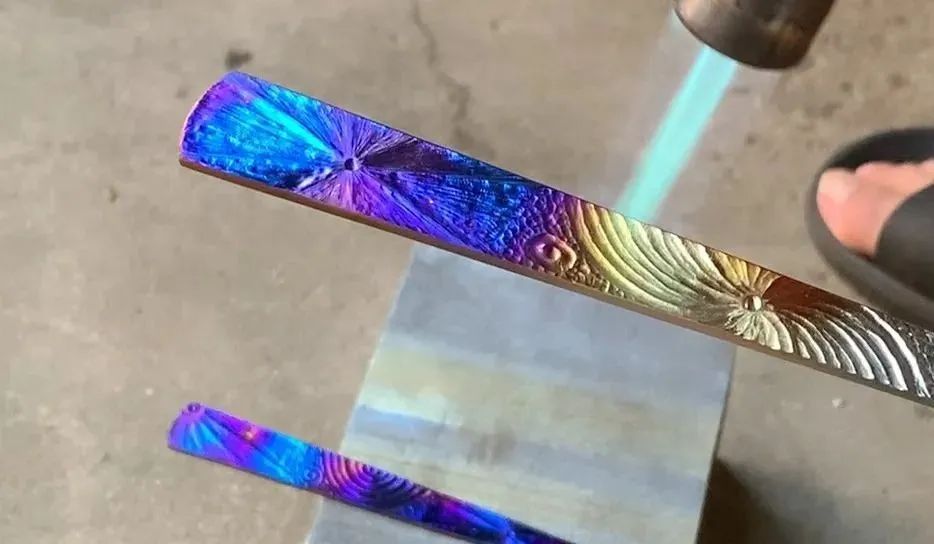
Heat Color Change Test: When a titanium product is heated, its color will change as the temperature increases.
Magnetic Test: Genuine titanium is not magnetic.
Color Analysis: Compared to the glossy finish of steel/aluminum, titanium has a deeper, darker gray color.
The Spark Test: (For industrial use) It produces brilliant white sparks when ground.
1. Scientific Method: What Can Detect Titanium Accuracy? (Density Test)
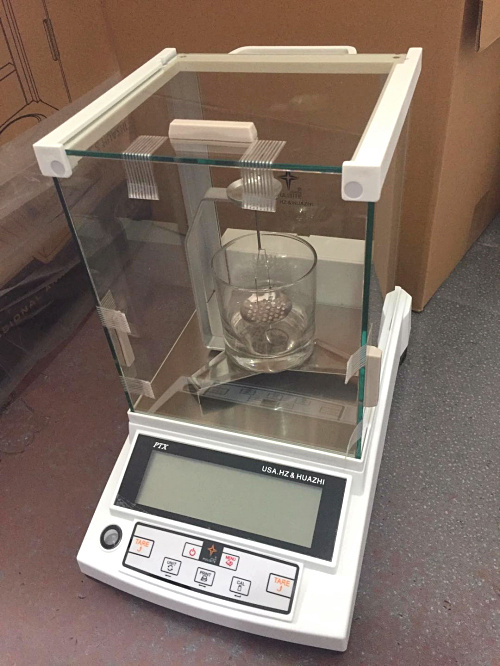
Among all available identification techniques, measuring density is the most accurate and reliable way for ordinary consumers to verify genuine titanium products. Titanium density of 4.51 grams per cubic centimeter (g/cm³), which is lower than stainless steel but higher than aluminum.
Pro Tip: Industrial buyers rely on this data. As a professional manufacturer, we ensure all our titanium bars and sheets meet the strict ASTM density standards.
This unique property makes it possible to scientifically validate titanium materials with basic household tools. Here’s how you can do it:
Step 1: Measure the Product’s Volume
For regular-shaped items (like cups, bottles, or chopsticks): use standard geometric formulas to estimate the volume.
o Example: For a cylinder, use Volume = π × radius² × height.
For irregular-shaped items: use the water displacement method. Fill a graduated cylinder or measuring cup with water, record the initial volume, submerge the titanium product, and note the new volume. The difference is the item’s volume.
Step 2: Weigh the Product
Use a kitchen scale or digital balance to determine the product’s mass in grams.
Step 3: Calculate Density
Divide the weight (in grams) by the volume (in cubic centimeters):
Density = Mass / Volume
If the calculated density is very close to 4.51 g/cm³, it is highly likely that your product is made of genuine titanium material. This method is widely considered the gold standard for verifying titanium authenticity, especially for industrial buyers and quality inspectors working with titanium manufacturers.
Practical Tip:
For small deviations, consider measurement errors or the presence of coatings, but significant differences in density usually mean the product is not pure titanium.
2. The Ceramic Scratch Test: How to Test Titanium at Home Instantly
A simple and accessible test for titanium products is the ceramic scratch test. Titanium is a hard metal, and when it is scraped against unglazed ceramic, it leaves a distinct grey mark. This is due to the unique combination of titanium’s hardness and chemical properties.
This is the easiest way to perform titanium identification at home without special tools.
How to do it: Find a piece of white, unglazed ceramic (like the bottom ring of a coffee mug) or a piece of glass. Press the metal item firmly against the ceramic and draw a line.
The Result: If it is real titanium, it will leave a permanent dark grey or black line. This is the most accessible answer to how can you identify titanium in your kitchen. The mark is actually a layer of titanium oxide.
Why it works: Titanium is leaves a deposit. Stainless steel usually leaves no mark or a faint one that wipes off.
This method is effective because fake titanium products made from stainless steel, aluminum, or other metals usually do not leave the same mark. The interaction of titanium with ceramics is distinctive and hard to replicate.
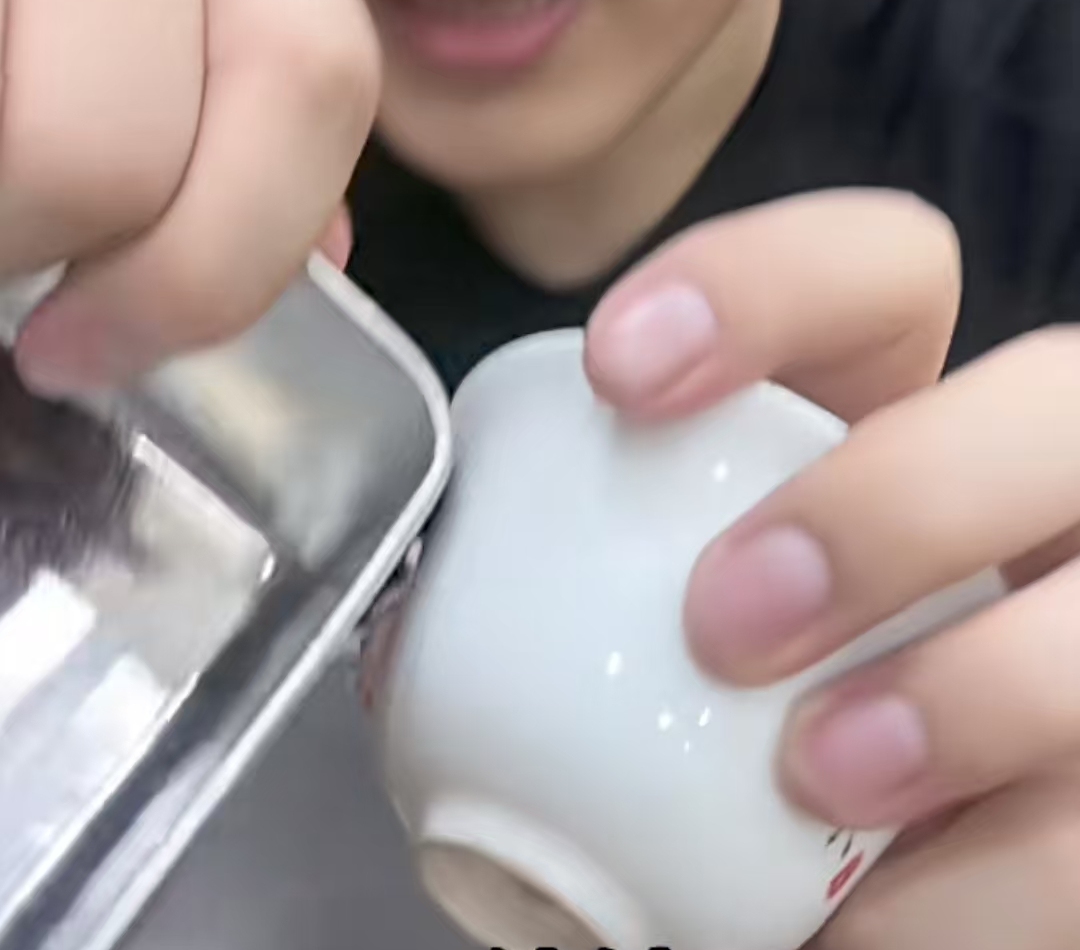
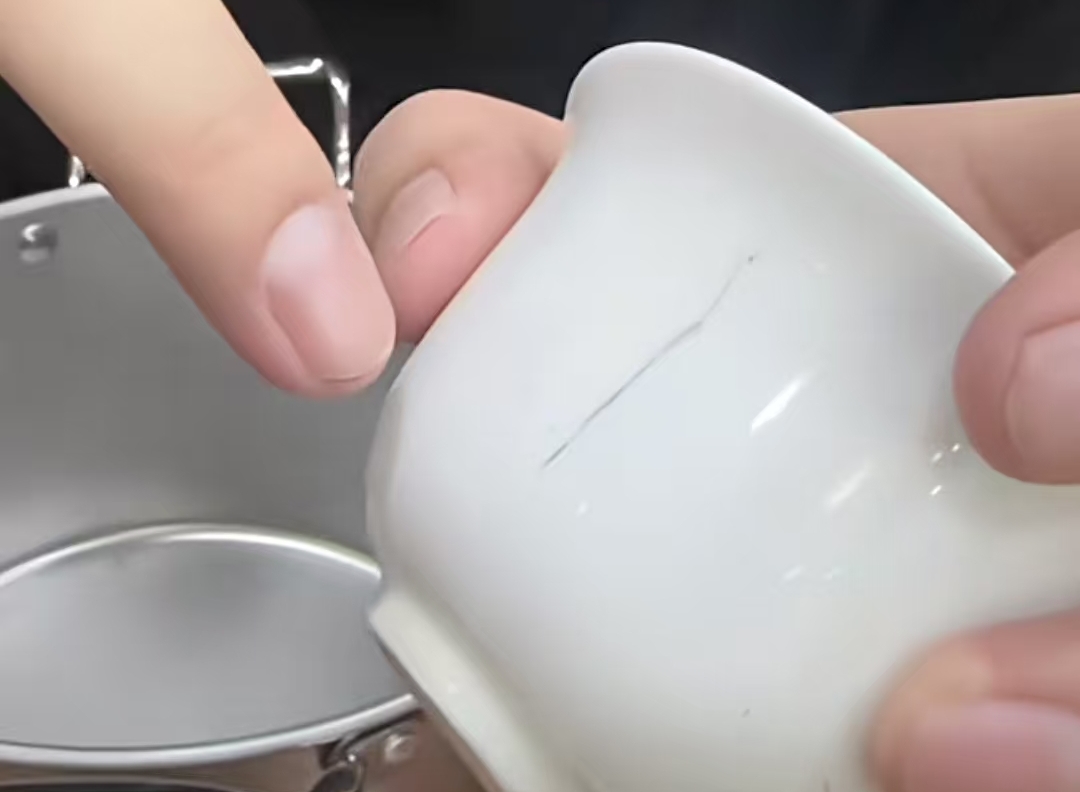
Formation principle: Because pure titanium forms an oxide film on its surface when exposed to air, when it comes into contact with white porcelain, it leaves behind tiny titanium metal particles and fragments of titanium oxide film, which adhere to the surface of the porcelain.
Professional Tip:Use this method sparingly, as it can permanently scratch your ceramic dishware. Consider using a broken tile or a piece of unglazed porcelain you don’t care about.
3. Thermochromic Test: Observing Oxidation Colors
One of titanium’s fascinating features is its ability to change color when heated—a property known as thermochromism. When exposed to flame or high heat, titanium forms a thin oxide layer on its surface. The thickness of this oxide layer changes with temperature, causing the surface to display a spectrum of colors.
How to Conduct the Thermochromic Test
Step 1:Carefully heat the titanium product over an open flame (such as a gas stove or torch). Use tongs and proper safety precautions.
Step 2:Observe the color changes. Genuine titanium will transition through a series of colors as the oxide layer thickens:
· Silvery white → Light yellow → Gold → Blue → Purple → Greyish red → Grey
These colors are an optical effect caused by light interference in the oxide film, and the progression is specific to titanium. Imitation products made from steel or aluminum will not show this sequence of colors, or may only discolor without the vibrant hues seen in real titanium.
Safety Note:
Only perform this test on items that can withstand heat and are not coated or painted. Avoid heating products that could release toxic fumes or are structurally sensitive (such as medical implants).
4. Magnetic Response Test: A Quick Way to Identify Titanium
Titanium is classically non-magnetic, which means it will not be attracted to a magnet. This property provides a fast and simple way to distinguish titanium from many other metals—especially stainless steel, which is often used as a counterfeit material.
How to Do the Magnetic Response Test
Step 1:Take a strong magnet and bring it close to the titanium product.
Step 2:Observe whether the product is attracted to the magnet.
If the product is pulled toward the magnet, it is almost certainly not pure titanium. However, some titanium alloys with significant additions of other elements (such as iron) may show weak magnetic effects, so this test is best used in combination with the others.
Professional Tip:
Use a neodymium (rare earth) magnet for clear results. Weak refrigerator magnets may not be sufficient to test small or light items.
Note: While this test filters out steel, high-grade titanium alloys (like Grade 5) require more precise verification. Contact our engineering team if you need strictly non-magnetic titanium for industrial applications.
Common Myths: Why People Doubt Their Titanium is Real
Sometimes, real titanium behaves in ways consumers don't expect. Here is how to distinguish a fake from a misunderstanding:
"It changes color when heated!" -> Verdict: REAL.
Titanium develops a unique oxide layer when heated, turning gold, blue, or purple (anodization). This is a hallmark of genuine titanium, not a sign of fake coating peeling off.
"It gets fingerprints easily!" -> Verdict: REAL.
Pure titanium surfaces react with natural oils from your skin, often showing fingerprints more clearly than coated steel. These wipe off easily with water.
"It's not shiny enough!" -> Verdict: REAL.
Unless highly polished, raw titanium has a muted, sophisticated grey tone, distinct from the "chrome-like" brightness of stainless steel
Additional Advice and Consumer Tips
Why Trust Shaanxi Shenglian Yijing Technology Co., Ltd.?
When asking "how can you identify titanium," the best answer is to buy from a source that provides transparency.
Certified Quality: We provide Mill Test Certificates (EN 10204 3.1) with our shipments, detailing the chemical composition and mechanical properties.
Global Standards: Our products meet ASTM B265, ASTM B348, and other international standards.
Direct Factory Guarantee: Avoid middlemen. Get genuine titanium fasteners, castings, and raw materials directly from our factory in Xi'an.
Ready to order? [Get a Free Quote] for certified titanium today.
Check for price anomalies.
Titanium is an expensive material. Products sold at a price far lower than the market average are likely to be fake or made from inferior alloys.
Inspect labeling and documentation.
Authentic titanium goods should be marked with the titanium grade, country of origin, and sometimes the logo of the titanium manufacturer. Legitimate products also tend to have more robust packaging and clear, professional labeling.
Examine weight and feel.
Titanium feels lighter than steel but heavier than aluminum. With practice, you can often distinguish between materials just by holding them.
Check for corrosion resistance.
Titanium products should not rust or corrode, even after prolonged exposure to water or sweat. Surface discoloration or the appearance of rust is a red flag.
Frequently Asked Questions and Answers
Q1: How can you identify titanium quickly without tools?
A: The fastest way is the Magnetic Test and the Weight Comparison. Titanium is non-magnetic and feels about 45% lighter than steel. For a definitive mark, use the Ceramic Scratch Test: real titanium leaves a dark grey streak on unglazed ceramic.
Q2: What can detect titanium professionally?
A: For industrial verification, X-ray Fluorescence (XRF) analyzers are the standard tools that can detect titanium composition instantly. In a lab setting, density testing (4.51 g/cm³) and chemical acid testing are used.
Q3: How to test titanium at home if I don't have a scale?
A: To learn how to test titanium at home without a scale, use the "Ceramic Scratch Test" or the "Visual Color Analysis." Titanium has a darker, deeper grey tone compared to the shiny, chrome-like finish of stainless steel. Also, check for rust—real titanium does not rust in water.
--------------------------------------------------------------------------------------------------------------------------------------------------
By following these practical steps, you can confidently identify genuine titanium products and avoid falling victim to fakes. Remember, titanium is worth the investment for its lightweight, durable, and health-safe properties, but only if you’re getting the real deal!
WhatsApp:https://wa.me/message/JXI3J2CDCKF5F1
+86 18161904380
info@titaudou.cn
www.titaudoumiu.com