Titanium alloys are high-performance materials renowned for their excellent corrosion resistance, high strength, and biocompatibility. These unique properties have led to their widespread use in demanding fields such as aerospace, medical devices, jewelry, and sporting goods. Among the many remarkable characteristics of titanium alloys, one particularly fascinating feature is their ability to display a wide range of vibrant surface colors. Unlike traditional metals, which generally require paints or coatings to achieve different appearances, titanium alloys can be anodized—a process that alters the surface oxide layer through electrochemical treatment—to produce a variety of colors without the use of dyes or pigments. This phenomenon is not only visually striking but also functional, as it allows for both decorative and practical applications, such as color-coding medical implants or creating distinctive, durable jewelry finishes. The colors produced on titanium surfaces are the result of light interference within the precisely controlled oxide layer, and they can range from brilliant blues and purples to greens, yellows, and even pinks. Understanding why titanium can come in so many different colors requires an exploration of both its material science and the anodizing process, which make titanium alloys uniquely versatile among metals.
1. Material Properties of Titanium Alloys
The reasons titanium alloys are so widely used—and can be colored in such striking ways—are rooted in their exceptional material characteristics.
1.1 High Strength and Low Density
Titanium alloys boast a specific strength (strength-to-weight ratio) of approximately 120–150 MPa·g/cm³, compared to 70–90 MPa·g/cm³ for aluminum alloys. With a density of about 4.43 g/cm³, titanium alloys are significantly lighter than steel (which has a density of roughly 7.85 g/cm³). This combination of high strength and low weight is especially valuable in aerospace, automotive, and other applications where both performance and mass reduction are essential.
1.2 Excellent Corrosion Resistance
Titanium alloys naturally form a stable and dense layer of titanium dioxide (TiO₂) on their surface. This oxide layer acts as a barrier, preventing oxygen, salts, and other corrosive agents from reaching the underlying metal. As a result, titanium alloys demonstrate exceptional resistance to corrosion, even in aggressive environments like seawater or acidic/alkaline solutions. This makes them ideal for marine, chemical, and medical environments where longevity and durability are critical.
1.3 Biocompatibility
Another key advantage of titanium alloys is their outstanding biocompatibility. Unlike many metals, titanium does not trigger allergic or rejection reactions when implanted in the human body. Its inert, stable oxide layer allows it to integrate with bone and tissue, making it the material of choice for orthopedic implants, dental implants, and surgical instruments.
1.4 High Temperature Resistance
Titanium alloys, especially the popular Ti-6Al-4V, excel at high temperatures. In aerospace applications, these alloys can routinely operate at temperatures up to 350°C and, in extreme conditions, withstand temperatures as high as 600°C. This thermal stability enables titanium components to function reliably in jet engines, spacecraft, and industrial equipment exposed to heat.
2. Metal Coloration: How Does Anodizing Aluminum Differ from Anodizing Titanium?
Both aluminum and titanium can be anodized, but the science and results of their anodization are fundamentally different.
Aluminum Anodization
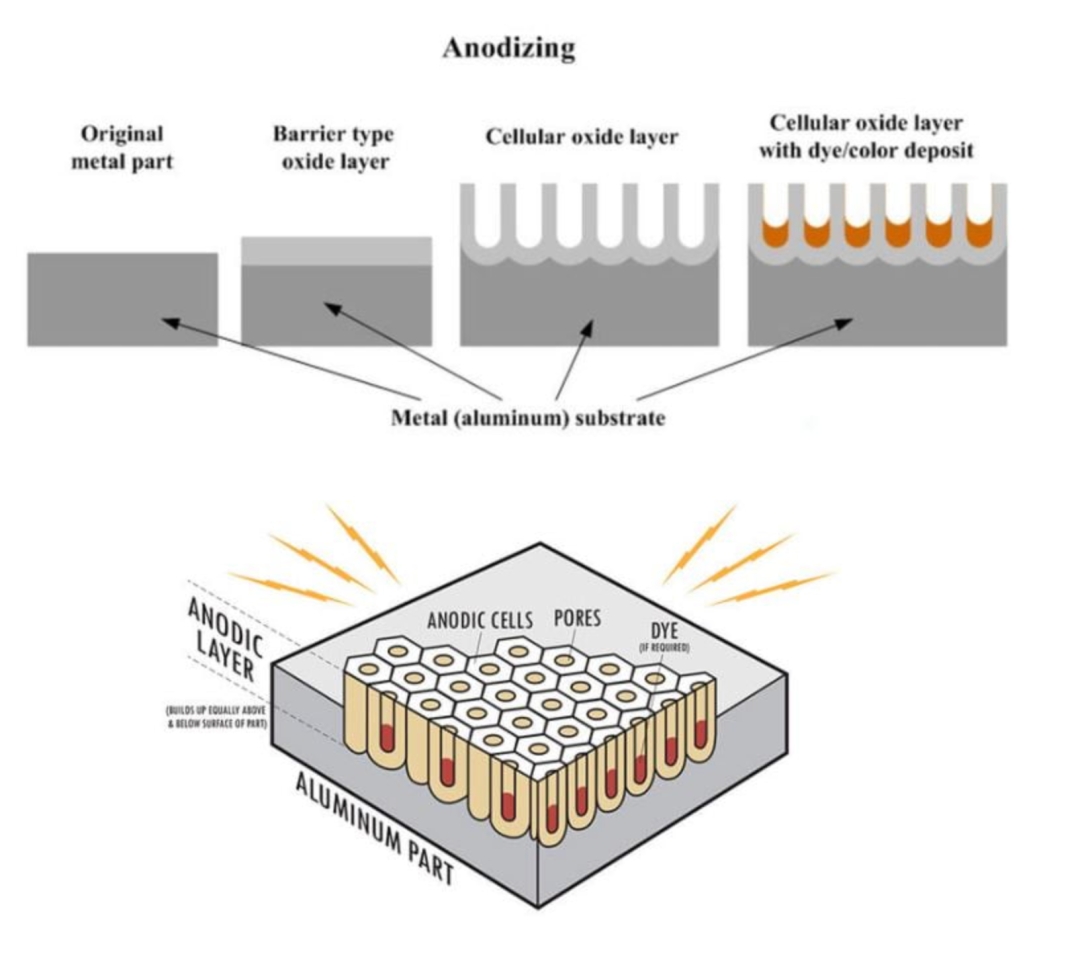
When aluminum is anodized, an electrochemical process forms a porous oxide layer on its surface. However, this layer is generally transparent or slightly colored and must be dyed to achieve a wide range of colors. The final color is determined by the pigments absorbed into the oxide layer during the dyeing step, not by the oxide layer's thickness itself.
Anodized Titanium
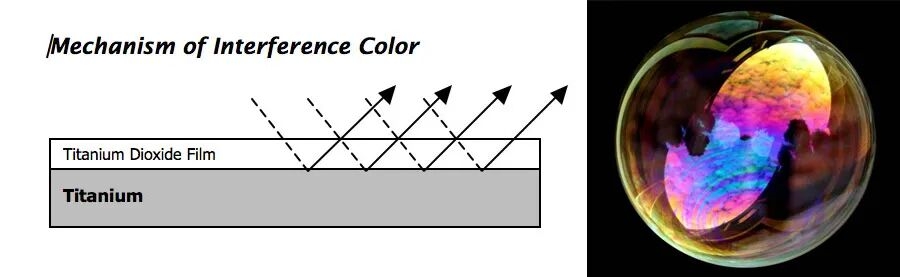
In contrast, anodized titanium does not require any dyes or pigments to achieve color. Instead, the color arises from interference effects within the transparent titanium oxide layer, which is naturally formed and thickened during the anodization process. This phenomenon is similar to the colorful swirls seen on soap bubbles or oil films on water, where light waves reflected from the top and bottom of a thin layer interfere with each other, producing vivid colors.
The Science: Light Interference
When light strikes the oxide film on titanium, some of it reflects off the top surface, while some penetrates, reflects off the metal-oxide interface, and exits. These two reflected beams can interfere constructively or destructively, depending on the film's thickness, which alters the color we perceive. By adjusting the voltage during anodization, manufacturers can precisely control the oxide thickness and thus "tune" the color across a broad spectrum, including blues, purples, golds, greens, and more.
Process Overview
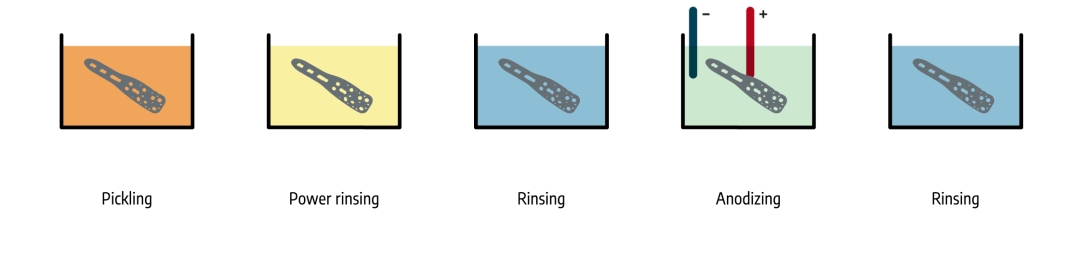
· Pre-treatment: The titanium surface is cleaned, acid-etched, or sandblasted to remove oils, oxides, and impurities.
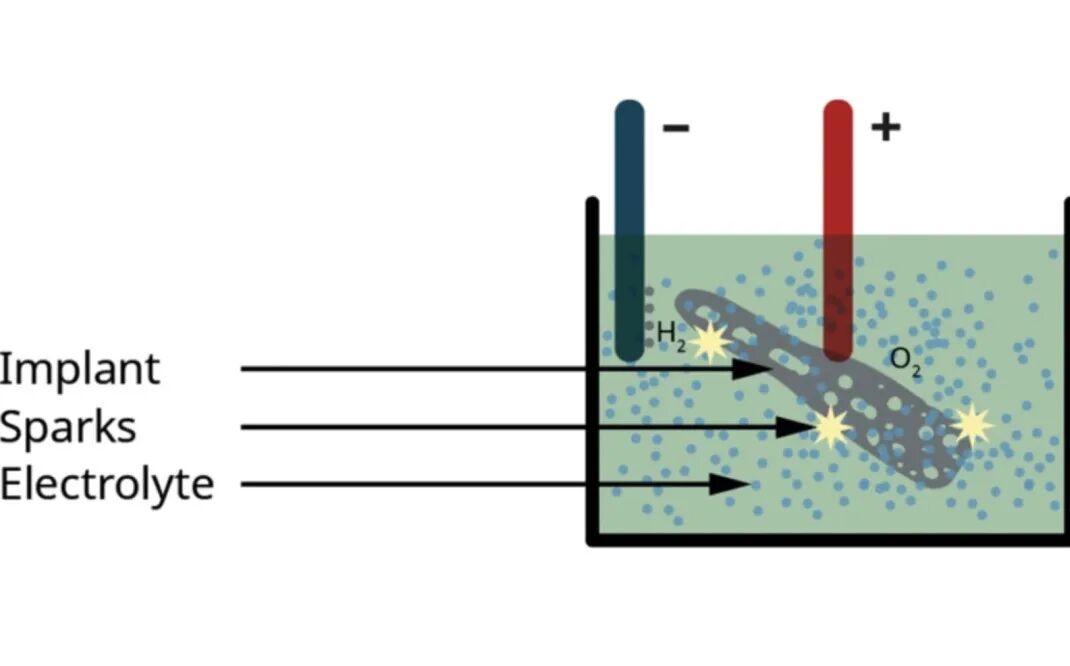
· Anodization: The titanium part is placed in an electrolyte bath (commonly sulfuric or phosphoric acid) and serves as the anode. By adjusting the voltage, the thickness of the oxide layer—and thus the resulting color—can be controlled.
· Post-treatment: The anodized surface may be sealed to enhance corrosion resistance and surface hardness.
This process not only enhances the functional properties of titanium but also produces a range of colors that are stable, durable, and do not fade like traditional dyes.
3. Types of Anodized Titanium
The anodization process can be tailored to achieve different properties and colors, depending on the application. There are two main types of anodized titanium widely used in industry.
3.1 Type II Anodization
Type II anodization produces a relatively thin oxide film, typically ranging from 0.5 to 5 micrometers in thickness. This layer imparts a gray or pale gold appearance, without the use of any dyes or artificial coloring.
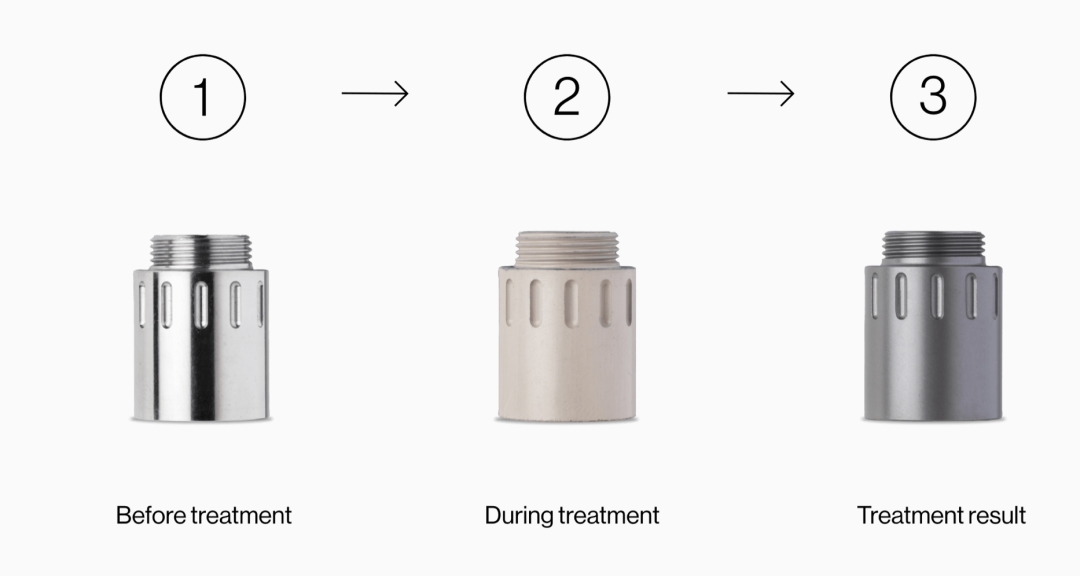
Key Features:
· Enhanced Wear and Corrosion Resistance: The thin oxide layer provides significant improvement in hardness and corrosion resistance.
· Uniform Appearance: The color range is limited, generally to subtle gray or gold hues.
· Industrial Use: Due to its discrete appearance, Type II anodized titanium is commonly used for functional rather than decorative purposes.
Applications:
· Aircraft components
· Engine parts
· Industrial equipment (valves, pumps, pressure vessels)
· Marine hardware
Type II anodization is favored where durability, longevity, and performance are more important than aesthetic considerations.
3.2 Type III Anodization
Type III anodization creates a much thicker oxide film, typically between 5 and 25 micrometers. This thicker layer can generate a vivid palette of colors, including blue, purple, gold, green, and more—all through physical light interference, not dyes.

Key Features:
· Color Variety: By precisely controlling the voltage (and thus oxide thickness), a wide range of bright, stable colors can be produced.
· Enhanced Surface Protection: The thicker oxide layer boosts both wear and corrosion resistance.
· Customizability: Color can be used for decorative appeal as well as functional color-coding.
Applications:
· Decorative jewelry and accessories
· Color-coded medical implants
· Sporting goods (bicycle parts, golf clubs)
· Consumer electronics (phone cases, watch bodies)
Type III anodization is ideal for products where aesthetics and brand differentiation are as important as durability and performance.
4. Anodized Titanium in Real-World Applications
The ability to control both the surface properties and color of titanium alloys through anodization has opened new frontiers in design, safety, and technology.
4.1 Medical Implants and Devices
Anodized titanium is widely used in orthopedic and dental implants. Its biocompatibility reduces the risk of rejection, while its corrosion resistance ensures long-term stability inside the human body. Color-coded anodization enables easy identification of implant sizes or types during surgery, improving procedural efficiency and safety.
4.2 Jewelry and Decorative Arts
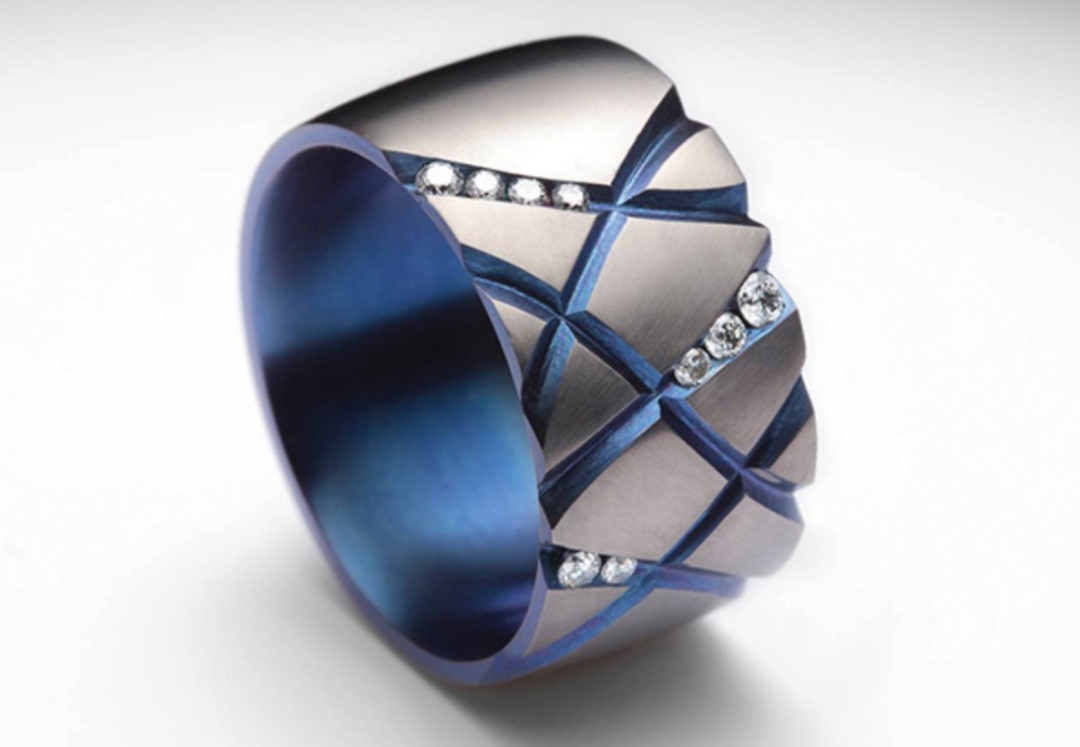
Anodized titanium's vibrant, non-fading colors and hypoallergenic properties have made it a favorite in the jewelry industry. Rings, earrings, bracelets, and body jewelry crafted from anodized titanium are not only aesthetically unique but also durable and comfortable for daily wear. The ability to produce custom hues without dyes or chemicals adds to their appeal.
4.3 Sporting Goods and Equipment
In sports, anodized titanium components are prized for their strength, light weight, and visual appeal. Bicycle frames, golf club heads, and other gear benefit from the combination of performance and color, allowing athletes and manufacturers to personalize equipment for function and style.
4.4 Aerospace and Automotive
In aerospace and high-performance automotive sectors, anodized titanium provides both practical and aesthetic advantages. Critical fasteners, engine components, and structural parts are anodized for increased service life and, when required, color-coding for quick identification during assembly or maintenance.
4.5 Consumer Electronics
Anodized titanium surfaces are used in smartphones, wearables, and laptops, offering a premium look and feel along with scratch and corrosion resistance. Color options add to branding and user personalization.
5. The Significance of Anodized Titanium
The process of anodization does much more than create beautiful colors. By forming a controlled oxide film on the surface, anodized titanium parts gain enhanced corrosion resistance, superior wear properties, and—thanks to the interplay of light and material—a unique spectrum of color options. These features allow manufacturers to engineer products that not only perform better but also stand out in a crowded marketplace.
Through advances in surface treatment, anodized titanium has become both a functional and aesthetic solution, driving innovation in industries as diverse as healthcare, jewelry, sports, and high-tech consumer goods.
Frequently Asked Questions and Answers
1. Why does titanium exhibit different colors, and what scientific mechanism (such as surface oxidation or light interference) is responsible for creating these color variations?
Titanium displays different colors mainly due to the phenomenon of light interference within its surface oxide layer. When titanium is anodized, an electric current forms a thin, transparent film of titanium dioxide. As light hits this film, some is reflected off the surface and some off the underlying metal. The interference of these reflected light waves—depending on the film's thickness—produces specific colors, much like a soap bubble or oil slick.
2. What factors cause titanium to display different colors—for example, does the thickness of its surface oxide layer or specific surface treatment methods (like anodization) play a key role?
The primary factor is the thickness of the oxide layer, which is determined by the anodization voltage. Each thickness corresponds to a specific color due to the way light waves interact with the layer. Unlike aluminum, where dyes are needed, anodized titanium’s color is purely a result of physical interference—no pigments are involved. The choice of surface preparation and electrolyte can also subtly affect final color and uniformity.
3. Why do different colors appear on titanium surfaces under different conditions, and how are these color differences utilized in real-world scenarios (such as decorative coatings or industrial identification)?
Different colors appear because the oxide layer’s thickness changes with anodization voltage, altering how light interferes at the surface. This not only enables striking decorative effects for jewelry and consumer products, but also serves practical roles—such as color-coding medical implants for easy identification, marking critical aerospace parts, or differentiating products on the market. Thus, color is both a functional and aesthetic tool in the engineering of anodized titanium.