Aluminum cookware heats faster and more evenly than stainless steel, while stainless steel is usually tougher, more scratch resistant, and better for browning meat. The best choice depends on what you cook most often. Aluminum is useful when speed, light weight, and even heat matter. Stainless steel is useful when durability, searing, oven use, and long service life matter. For buyers who want the heat-spreading benefit of aluminum without direct aluminum food contact, clad stainless steel or tri-ply cookware is often the most balanced option.
Most cookware buyers do not compare aluminum and stainless steel because they enjoy metallurgy. They compare them because the wrong pan causes real kitchen problems: eggs stick, vegetables scorch at the edges, steak refuses to brown, sauces taste metallic, or a pan warps after a few months. Both materials can perform well, but they behave very differently on the stove.
This article compares aluminum and stainless steel cookware through the factors that actually affect daily cooking: heat transfer, safety, taste, maintenance, durability, stove compatibility, price, and best use cases. It also explains why many premium pans combine both materials instead of relying on one metal alone.
1. Aluminum vs Stainless Steel Cookware: Quick Comparison
Aluminum is a strong heat conductor. Stainless steel is a strong cooking surface. That short sentence explains why the two materials are often layered together. Aluminum helps heat move quickly across the pan. Stainless steel protects the surface, resists scratches, and gives the pan structure.
| Factor | Aluminum Cookware | Stainless Steel Cookware | Practical Meaning |
| Heat transfer | Very fast and even | Slow on its own; better when clad | Aluminum responds quickly; stainless needs a conductive core for even heat. |
| Weight | Light | Medium to heavy | Aluminum is easier to lift, especially for large pans and stockpots. |
| Durability | Can dent, scratch, or warp if thin | Strong, scratch resistant, long lasting | Stainless steel usually handles rough use better. |
| Food contact | Best when anodized or lined | Generally stable for normal cooking | Uncoated aluminum is not ideal for acidic foods. |
| Searing | Fast heat, less heat retention | Better browning and fond development | Stainless steel is usually preferred for steak and pan sauces. |
| Induction use | Not induction ready unless it has a magnetic base | Only magnetic grades or magnetic bases work | Always check induction compatibility before buying. |
| Maintenance | Easy if anodized or coated; avoid harsh abrasives | Can tolerate more scrubbing and deglazing | Stainless steel is more forgiving in shared kitchens. |
| Best use | Boiling, sauteing, quick meals, camping, large pots | Searing, sauteing, sauces, oven finishing, daily heavy use | Choose based on cooking style, not only price. |
2. How Aluminum and Stainless Steel Conduct Heat
The biggest performance difference is heat conductivity. Aluminum conducts heat far better than stainless steel. Pure aluminum is commonly listed around 205 W/m·K for thermal conductivity, while 304 stainless steel is often around 16 W/m·K. Exact numbers vary by alloy and test method, but the gap is large enough to change cooking results.
In practice, aluminum spreads heat across the base and sides of the pan quickly. This reduces harsh hot spots and makes temperature changes easier to control. If you lower the burner, an aluminum pan usually responds faster. If you raise the burner, it heats quickly. That responsiveness is helpful for eggs, fish, crepes, vegetables, and sauces that can scorch when heat is uneven.
Stainless steel behaves differently. A single-layer stainless steel pan can heat unevenly, especially on small gas flames or electric coils. The center of the pan may run hot while the outer edge stays cooler. That is why quality stainless steel cookware often uses a layered structure: stainless steel on the cooking surface, aluminum or copper inside, and stainless steel on the exterior. The stainless steel provides durability and food contact stability, while the aluminum core spreads heat.
Why Hot Spots Matter
Hot spots are not just a technical issue. They decide whether food browns evenly or burns in patches. In a thin stainless steel pan without a conductive core, oil can smoke in the center before the edges are ready. In a thin aluminum pan, heat spreads faster, but the pan may also overheat quickly if the burner is too high.
The best cookware design depends on balancing heat speed with heat control. Aluminum gives speed and spread. Stainless steel gives strength and surface durability. Clad cookware combines the two because most kitchens need both.
3. Technical Material Science Behind the Difference
The performance gap between aluminum and stainless steel starts at the atomic and alloy level. Aluminum has a face-centered cubic crystal structure and a high density of mobile electrons, which helps thermal energy move through the metal quickly. Stainless steel is an iron-based alloy with chromium, nickel, manganese, molybdenum, and other elements depending on the grade. Those alloying elements improve corrosion resistance and mechanical strength, but they also reduce thermal conductivity compared with pure metals.
Thermal conductivity is only one part of cookware performance. Heat capacity, density, wall thickness, and thermal diffusivity also matter. Thermal diffusivity describes how quickly a material responds to temperature change. Aluminum has high diffusivity, so it heats and cools quickly. Stainless steel has lower diffusivity, so it changes temperature more slowly. A heavy stainless steel pan may feel stable because its mass stores heat, but without a conductive core the heat can still be uneven across the cooking surface.
Engineers solve this problem by designing the pan as a heat-transfer system rather than a single piece of metal. In a tri-ply or multi-ply pan, the stainless steel cooking layer is selected for food-contact stability and wear resistance, while the aluminum core is selected for lateral heat spreading. The outer layer may be magnetic stainless steel so the pan can work on induction. In other words, the best stainless steel cookware often depends on aluminum to perform well.
Anodized Aluminum: Surface Engineering, Not Just a Finish
Hard anodized aluminum is created through an electrochemical process that thickens the natural aluminum oxide layer. This oxide layer is harder and more corrosion resistant than raw aluminum. It also improves wear resistance and reduces the chance of direct aluminum reaction with food. The result is not simply a colored finish; it is a surface-engineered layer that changes how the cookware behaves in real use.
The quality of anodized cookware depends on the thickness, consistency, sealing process, and base metal quality. A well-made hard anodized pan resists abrasion better than raw aluminum, but it should still be treated differently from stainless steel. Aggressive metal scouring can damage the surface over time. If a nonstick coating is added above the anodized layer, the coating becomes the most delicate part of the pan.
Stainless Steel Passive Film and Corrosion Resistance
Stainless steel resists corrosion because chromium in the alloy forms a thin chromium oxide passive film on the surface. This film is self-protecting under normal kitchen conditions. If lightly scratched, it can reform in the presence of oxygen. That is why stainless steel can handle water, salt, mild acids, and repeated washing better than many bare metals.
The passive film is not indestructible. Chloride exposure, prolonged salt contact, harsh cleaners, or low-quality steel can cause pitting or surface damage. This is one reason good stainless steel cookware should be washed after salty cooking rather than left soaking overnight in brine or heavily salted water. Higher-grade stainless steels with molybdenum, such as 316 stainless steel, generally offer better pitting resistance than basic 304 stainless steel, although 304 remains common and suitable for many cookware products.
4. Engineering Details Buyers Should Check
Cookware performance is strongly affected by thickness. A very thin aluminum pan may heat quickly but warp easily. A very thin stainless steel pan may be durable at the surface but uneven on the burner. A thicker base improves stability and heat distribution, but it also increases weight and warm-up time. The goal is not maximum thickness; it is the right thickness for the cooking task.
Base geometry also matters. A pan with a flat, machined bottom makes better contact with glass, ceramic, and induction cooktops. A warped pan creates air gaps that reduce heat transfer and cause rocking. Gas burners are more forgiving, but even on gas, a flat and stable base improves control. For induction cooking, the magnetic layer must be close enough to the cooktop and large enough to match the induction coil.
Handle attachment is another technical detail. Riveted handles are strong and common in professional cookware, but rivets create small areas that need cleaning. Welded handles create a smoother interior but depend on weld quality. Hollow stainless handles stay cooler than solid metal handles in many designs, but handle temperature still depends on burner size, flame spread, cooking time, and oven use.
Induction Compatibility and Magnetic Layers
Induction cooktops heat cookware by creating an electromagnetic field that interacts with magnetic material in the pan. Aluminum is not magnetic, so an aluminum pan needs a bonded magnetic stainless steel plate or magnetic outer layer to work on induction. Some stainless steel cookware works well on induction, but not every stainless grade is strongly magnetic. Many high-nickel austenitic stainless steels are weakly magnetic or non-magnetic unless the pan includes a magnetic base layer.
This is why “stainless steel” alone is not enough information for induction users. The product should clearly state induction compatibility, and the base should be designed for efficient coupling with the cooktop. A small magnetic disc on a wide pan may heat the center but leave the edges cooler. A fully clad magnetic exterior usually gives better heat distribution across the pan body.
5. Safety: Is Aluminum or Stainless Steel Better for Daily Cooking?
Both aluminum and stainless steel can be safe for daily cooking when the cookware is properly made and used correctly. The concern is not the material name alone; it is the exact surface that touches food, the quality of construction, the coating or lining, and how the pan is used.
Uncoated aluminum can react with acidic or salty foods. Tomato sauce, vinegar, citrus, and long simmered acidic dishes may pick up a metallic taste or discolor the pan. This is one reason hard anodized aluminum became popular. Anodizing creates a harder, more stable oxide layer on the surface, making the pan more resistant to corrosion and abrasion than raw aluminum.
Stainless steel is widely used for food-contact equipment because it resists rust and corrosion in normal cooking. Common cookware grades such as 304 and 316 contain chromium and nickel. For most users this is acceptable, but buyers with nickel sensitivity may want to pay attention to stainless grade, cooking habits, and whether they frequently cook acidic foods for long periods.
For everyday kitchens, the simplest rule is this: avoid raw aluminum for long acidic cooking, choose hard anodized aluminum or lined aluminum if you want aluminum performance, and choose quality stainless steel or clad stainless steel if you want a durable general-purpose pan.
What About Nonstick Aluminum Pans?
Many nonstick pans use aluminum bodies because aluminum spreads heat well and keeps the pan light. The cooking surface, however, is the coating, not the aluminum. When comparing safety, buyers should check the coating type, maximum temperature, scratch resistance, and whether the product is free from restricted substances such as PFOA. If the coating is damaged, the pan should be replaced rather than scrubbed aggressively.
Hard anodized aluminum is different from a soft nonstick coating. The anodized surface is part of the metal treatment and is harder than raw aluminum. Some hard anodized pans also add a nonstick layer on top, so the product label matters. “Hard anodized” describes the body treatment; it does not automatically mean the pan is coating-free.
6. Cooking Performance: Browning, Sticking, Taste, and Control
Aluminum cookware is known for quick response. This is useful when a recipe needs fast heat changes. If butter is browning too quickly, turning the burner down has a faster effect in aluminum than in a heavy stainless pan. If vegetables need a quick saute, aluminum can bring the pan up to temperature quickly without long preheating.
Stainless steel is stronger for browning. A stainless steel cooking surface can create fond, the browned bits that form the base of pan sauces. It can also handle deglazing with wine, stock, or vinegar. For steak, chicken thighs, pork chops, mushrooms, and pan sauces, stainless steel often gives more satisfying browning than nonstick or lightweight aluminum.
Sticking depends on heat management more than the material alone. Stainless steel sticks when the pan is too cold, too hot, or when food is moved before it releases. Aluminum nonstick pans reduce sticking but depend on the condition of the coating. Hard anodized aluminum has better release than raw aluminum but is not automatically as slick as a new nonstick pan.
Taste is another difference. Raw aluminum can affect acidic foods. Stainless steel is more neutral in most cooking situations. Hard anodized aluminum and lined aluminum reduce the taste issue. If a buyer often cooks tomato sauce, vinegar-heavy dishes, fruit reductions, or lemon-based sauces, stainless steel or lined aluminum is usually the safer flavor choice.
Best Cooking Tasks for Each Material
Choose aluminum for quick breakfast cooking, boiling water, steaming vegetables, light sauteing, camping cookware, large stockpots, and pans that need to be easy to lift. Choose stainless steel for searing, browning, pan sauces, oven finishing, frequent deglazing, and kitchens where cookware will face metal utensils or heavier use.
Choose clad stainless steel when you want one pan to handle most jobs. A stainless cooking surface with an aluminum core gives better heat spreading than plain stainless steel and better durability than many bare aluminum pans. This is why tri-ply cookware has become common in serious home kitchens and professional kitchens.
7. Durability and Maintenance Differences
Aluminum is lightweight, but that lightness can come with trade-offs. Thin aluminum pans can warp when exposed to sudden temperature changes, such as moving from high heat to cold water. They can also dent if dropped. Hard anodized aluminum is tougher than raw aluminum, but it can still be damaged by aggressive metal tools or harsh cleaners.
Stainless steel is more durable in daily abuse. It resists dents, scratches, and surface wear better than aluminum. A stainless steel pan can often be restored with boiling water, baking soda, vinegar, or stainless cleaner. It may discolor from heat, develop rainbow stains, or show mineral spots, but these are usually cosmetic rather than structural problems.
For maintenance, aluminum requires a softer approach. Use moderate heat, avoid empty overheating, and clean with a soft sponge unless the manufacturer allows stronger methods. Stainless steel tolerates more aggressive cleaning, but it still benefits from correct preheating and timely washing.
Dishwasher use depends on the exact product. Many stainless steel pans are dishwasher safe, although hand washing keeps the finish better. Aluminum, hard anodized aluminum, and nonstick aluminum often last longer with hand washing. Dishwasher detergents can be harsh and may dull the surface over time.
8. Price and Long-Term Value
Aluminum cookware usually costs less than premium stainless steel cookware. That makes it attractive for starter kitchens, rental homes, outdoor cooking, and large pots where weight matters. A large aluminum stockpot can be much easier to handle than a heavy stainless steel pot of the same size.
Stainless steel often has a higher upfront price, especially when it is fully clad. The value comes from lifespan. A quality stainless steel pan can last many years if it is not overheated to the point of warping. It can survive metal utensils, high heat, oven use, and repeated cleaning better than many coated aluminum pans.
The lowest total cost is not always the cheapest pan. A low-cost nonstick aluminum pan that needs replacement every year may cost more over time than a durable stainless steel pan used for a decade. On the other hand, buying a heavy premium stainless steel pan for simple boiling or occasional cooking may be unnecessary. Match the material to the job.
| Buyer Type | Better Choice | Reason |
| New cook | Hard anodized aluminum or clad stainless steel | Easy heat control with fewer hot spots. |
| Steak and sauce cook | Stainless steel or clad stainless steel | Better browning, fond, and deglazing. |
| Small kitchen or lightweight needs | Aluminum | Easier to lift, wash, and store. |
| Induction user | Magnetic stainless steel or aluminum with magnetic base | Standard aluminum does not work on induction by itself. |
| Frequent acidic cooking | Stainless steel, lined aluminum, or titanium cookware | More neutral food contact for tomato, vinegar, citrus, and wine. |
| Long-term cookware buyer | Clad stainless steel or titanium composite cookware | Better balance of durability, heat control, and stable cooking surface. |
9. Where Titanium Cookware Fits Between Aluminum and Stainless Steel
Aluminum and stainless steel are not the only options. Titanium cookware is often considered by buyers who want a lighter, highly corrosion-resistant cooking surface. Titanium is valued for its stable oxide layer, clean taste, and resistance to acidic ingredients. It is also much lighter than stainless steel, which makes it attractive for users who want easier handling.
Pure titanium does not conduct heat as efficiently as aluminum, so many practical titanium pans use a layered structure. A common approach is to use titanium for the food-contact surface, aluminum as the heat-spreading layer, and magnetic stainless steel on the outside for induction compatibility. This layered design addresses the weaknesses of single-material cookware.
For buyers comparing aluminum vs stainless steel cookware, titanium is worth considering when health perception, food-contact stability, light weight, and corrosion resistance are priorities. For hard searing, stainless steel remains strong. For low-cost fast heating, aluminum remains strong. For balanced premium cookware, layered construction is usually more important than the name of one metal.
Why Layered Cookware Often Performs Better
A single material rarely solves every cooking problem. Aluminum spreads heat but needs protection from acidic food and surface damage. Stainless steel is durable but spreads heat poorly without a conductive core. Titanium is stable and light but benefits from a heat-spreading layer. Layered cookware uses each metal where it performs best.
This is the reason many serious pans are described as tri-ply, five-ply, or composite cookware. The buyer should look beyond the headline material and ask three questions: What touches the food? What spreads the heat? What makes the pan compatible with the stove? Those answers reveal more than the marketing name.
10. How to Choose Between Aluminum and Stainless Steel Cookware
Start with your stove. If you use induction, do not assume aluminum will work. Aluminum needs a magnetic stainless steel base for induction compatibility. Stainless steel also needs the right magnetic structure; some stainless steel pans are not strongly magnetic. A simple magnet test can help, but the product page should clearly state induction compatibility.
Next, consider what you cook most often. If your meals are fast, simple, and light, aluminum may be enough. If you cook meat, sauces, and oven-finished dishes, stainless steel is more versatile. If you cook acidic foods frequently, avoid raw aluminum and choose stainless steel, hard anodized aluminum, lined aluminum, or titanium cookware.
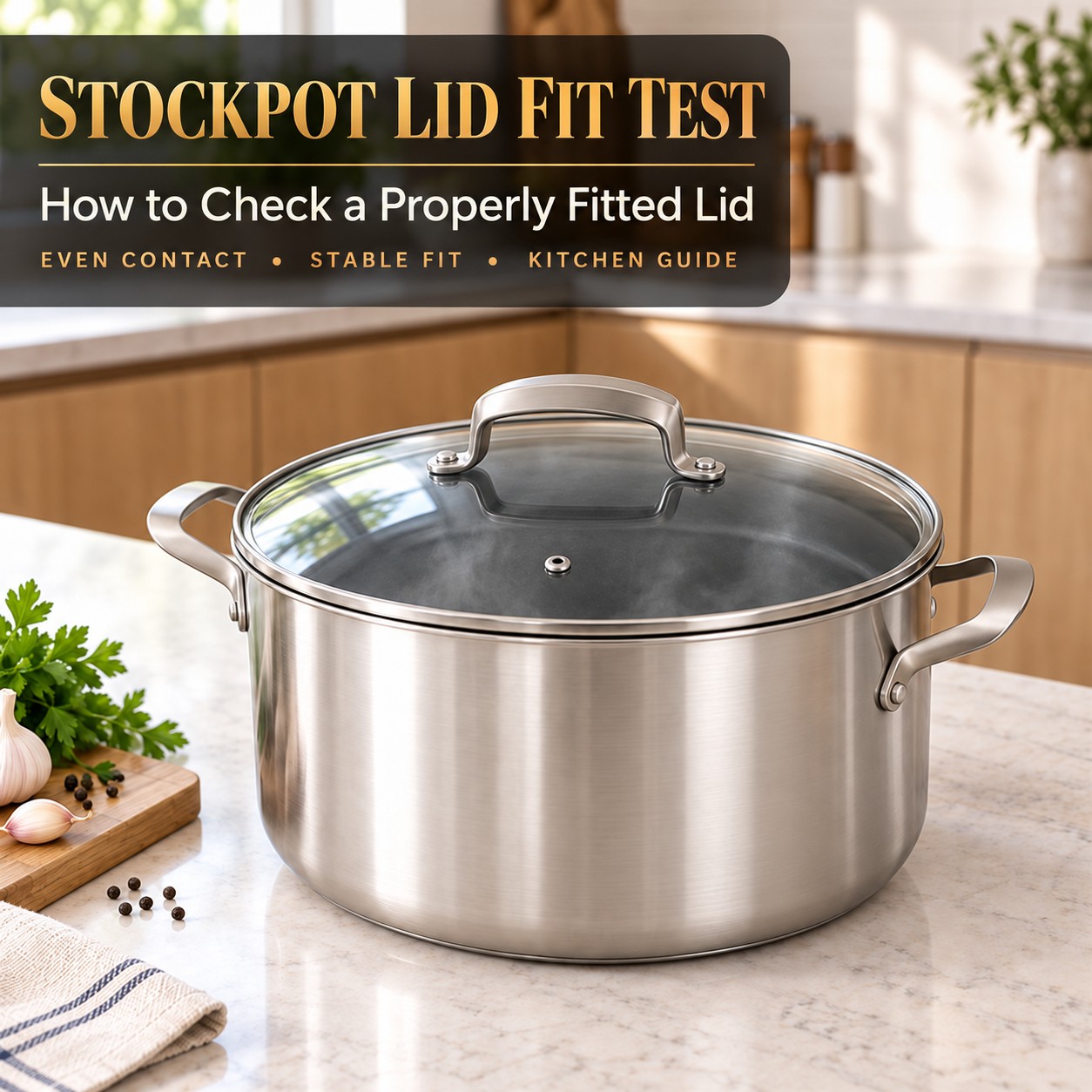
Then check construction. A thick pan is usually better than a thin pan because it resists warping and spreads heat more evenly. A fully clad stainless steel pan is usually better than a pan with only a small disc base when even heating up the sides matters. A hard anodized aluminum pan is usually more durable than raw aluminum. Handles should be firmly riveted or welded, lids should fit cleanly, and the bottom should sit flat on the stove.
Finally, think about replacement cost. If the pan depends on a coating, the coating is the part that usually determines lifespan. If the pan is uncoated stainless steel or titanium composite cookware, the body may last much longer. Paying more for the right pan can make sense when it becomes a daily tool rather than a rarely used specialty item.
11. Final Verdict: Aluminum vs Stainless Steel Cookware
Aluminum cookware is better for fast, even heating, light weight, and affordability. Stainless steel cookware is better for durability, browning, oven use, and long-term heavy cooking. Neither material is perfect by itself. Aluminum needs surface protection or lining for some foods. Stainless steel needs a conductive core for even heat.
If you want the simplest everyday answer, choose hard anodized aluminum for lightweight cooking and choose clad stainless steel for a durable all-purpose pan. If you want a premium option that balances stable food contact, light handling, and better heat distribution, consider layered titanium cookware that uses titanium, aluminum, and stainless steel together.
The right pan is the one that matches your actual cooking routine. A household that cooks tomato sauces, seared meats, and daily family meals may need stainless steel or clad cookware. A household that wants quick heating and easy lifting may prefer aluminum. A buyer focused on clean taste, corrosion resistance, and advanced material design may find titanium cookware the better long-term fit.
For practical aluminum pan care, see whether aluminum pans need seasoning.
Frequently Asked Questions
Q1: Is aluminum cookware safe for daily use?
Hard anodized aluminum, coated aluminum, or lined aluminum cookware can be suitable for daily use when it is made for food contact and used according to the manufacturer’s instructions. Raw aluminum is not ideal for long cooking with acidic foods such as tomato, vinegar, lemon, or wine because it can react with the food and affect taste.
Q2: Which is better for searing meat, aluminum or stainless steel?
Stainless steel is usually better for searing meat because it can develop stronger browning and fond for pan sauces. Aluminum heats quickly, but many aluminum pans are coated or lighter in construction, which makes them less ideal for aggressive high-heat searing.
Q3: Is clad stainless steel better than plain stainless steel?
Yes, for most cooking tasks. Plain stainless steel is durable but does not spread heat well. Clad stainless steel uses an aluminum or copper layer inside the pan to improve heat distribution while keeping a stainless steel cooking surface. This gives better temperature control and fewer hot spots.