Titanium wire is widely recognized for its low density, high specific strength, and exceptional corrosion resistance, making it a valuable material in various high-performance industries. Its corrosion resistance is particularly notable—while titanium is a very active metal, it exhibits a remarkable ability to resist chemical attack. This is due to titanium’s great affinity with oxygen. In air or oxygen-containing environments, titanium quickly forms a dense, strongly adherent, and inert oxide film on its surface. This natural oxide layer acts as a protective barrier, shielding the titanium matrix from corrosion and maintaining the wire’s mechanical integrity even in harsh conditions.
The combination of strength, heat resistance, and lightweight properties allows titanium wire to perform reliably in challenging environments such as aerospace, chemical processing, and medical applications. Its unique material performance characteristics contribute not only to enhanced durability and safety but also to reduced maintenance and longer service life. In this article, we will explore the strength, heat resistance, and wide-ranging application value of titanium wire, highlighting why it has become an essential material for advanced engineering and technology fields.
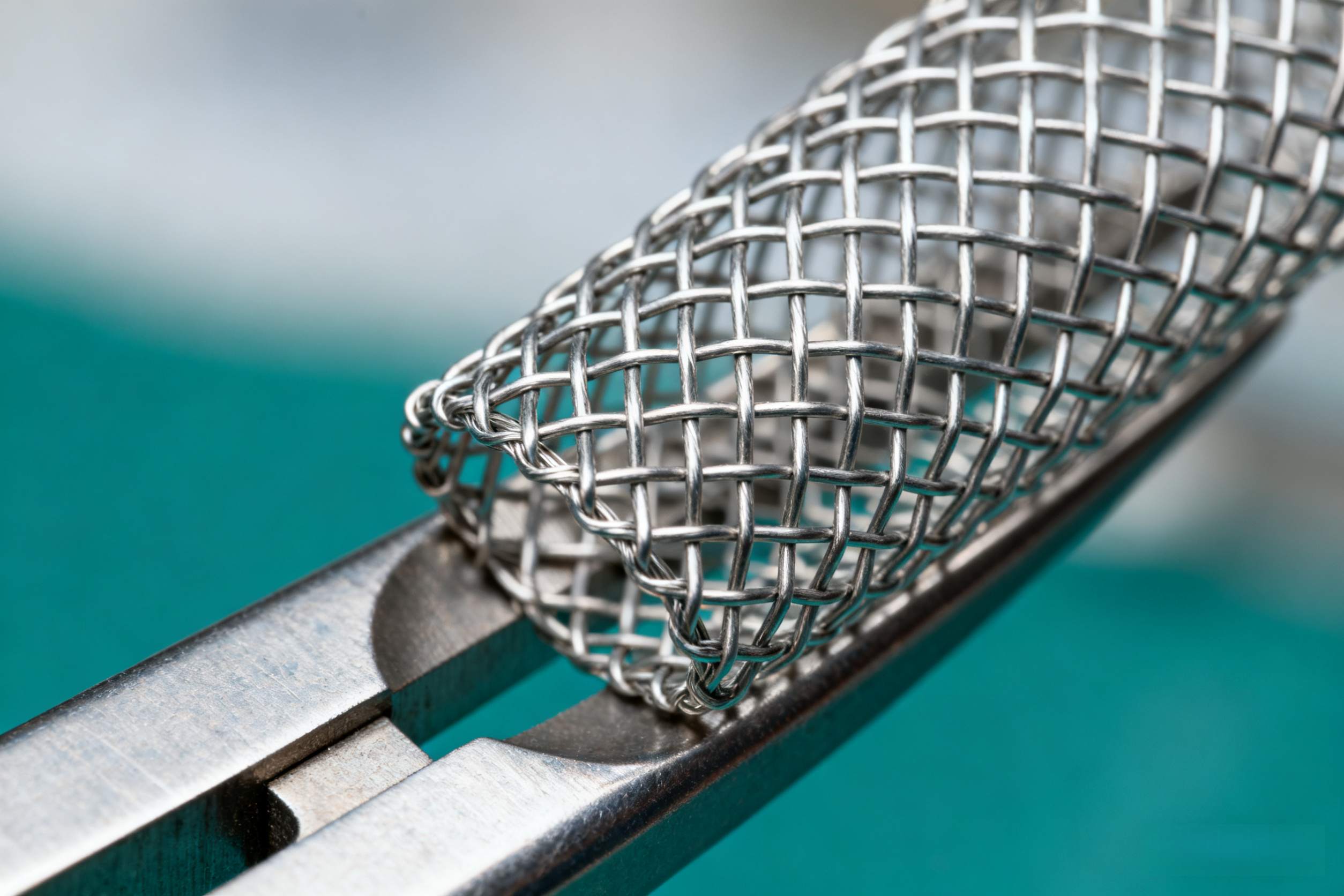
1. Classification of Titanium Wire
Titanium wire comes in various types, each tailored for specific applications and processing needs:
Pure Titanium Wire: Made from unalloyed titanium, known for its excellent corrosion resistance and biocompatibility, ideal for chemical, medical, and marine applications.
Titanium Alloy Wire: Alloyed with elements such as aluminum, vanadium, molybdenum, or nickel to improve strength, heat resistance, or formability. Common grades include Ti-6Al-4V and Ti-5Al-2.5Sn.
Straight Titanium Wire: Wire delivered in straight lengths for precision assembly, welding, or structural uses.
Titanium Welding Wire: Specially formulated for welding titanium structures, available in both pure and alloyed forms for optimal joint strength.
Titanium Hanging Wire: Used as racks or hangers for electroplating and surface treatment due to its chemical inertness and stability.
Spool/Coil Titanium Wire: Supplied in coils or spools, suitable for automated manufacturing, knitting, or weaving of titanium mesh.
Bright Titanium Wire: Features a polished, shiny surface, often used in jewelry, eyewear, and decorative applications.
Medical Titanium Wire: Manufactured to stringent purity and biocompatibility standards, used in surgical implants, bone fixation, and orthodontics.
Titanium-Nickel Alloy Wire: Exhibits shape-memory or superelasticity (e.g., Nitinol), widely used in medical devices and high-tech actuators.
2. Performance Characteristics of Titanium Wire
2.1 Excellent Heat Resistance
Modern titanium alloys can operate continuously at temperatures up to 600°C or higher without significant loss of strength. Certain low-temperature titanium alloys (such as Ti-5Al-2.5Sn, Ti-6Al-4V, and Ti-2.5Zr-1.5Mo) actually become stronger as temperature decreases, yet maintain stable ductility and toughness down to -196°C or even -253°C. This combination of high and low temperature resilience ensures that titanium wire can perform reliably in extreme thermal environments, avoiding issues like metal embrittlement or fracture.
2.2 Superior Damping Capacity
Titanium wire demonstrates strong damping properties when subjected to mechanical or electrical vibrations. Compared with steel or copper, titanium’s vibration attenuation time is significantly longer, making it ideal for applications where noise reduction, vibration control, or shock absorption are essential—such as aerospace fasteners, medical implants, or high-end sporting equipment.
2.3 Non-Magnetic Nature
Titanium is a non-magnetic metal. Even in strong magnetic fields, it will not become magnetized. This property is crucial for applications in sensitive medical imaging equipment (such as MRI), electronic components, and environments where magnetic interference must be minimized.
2.4 High Tensile Strength and Yield Ratio
Titanium wire’s tensile strength is very close to its yield strength, resulting in a high yield ratio (tensile strength/yield strength). This indicates that titanium wire has a low capacity for plastic deformation during forming, but a strong tendency to spring back (high elastic recovery) once forming forces are released. This property requires careful control during precision forming and assembly.
2.5 Efficient Heat Exchange Performance
Although titanium’s thermal conductivity is lower than that of carbon steel or copper, its outstanding corrosion resistance allows for much thinner wall sections. Moreover, titanium surfaces promote dropwise condensation during heat exchange with steam, which improves heat transfer efficiency and reduces fouling. Titanium wire is often used in heat exchangers and condensers in chemical and power industries.
2.6 Low Elastic Modulus
At room temperature, titanium’s elastic modulus is about 106.4 GPa—only 57% that of steel. This makes titanium wire more flexible, light, and suitable for applications requiring resilience, such as medical stents, springs, and precision sporting equipment.
3. Applications of Titanium Wire
Titanium wire’s unique combination of strength, light weight, and corrosion resistance drives its adoption across a wide range of industries:
3.1 Military and Aerospace
Titanium wire is essential for manufacturing aerospace fasteners, springs, antennae, and mesh components, where its strength-to-weight ratio, heat resistance, and vibration damping are critical for performance and safety.
3.2 Medical Field
Medical-grade titanium wire is used in surgical implants, orthodontic devices, bone fixation, and surgical sutures. Its biocompatibility and non-magnetic properties make it ideal for long-term implantation and imaging compatibility.
3.3 Sports Equipment
High-end tennis rackets, golf club heads, bicycle frames, and badminton rackets utilize titanium wire for strength, reduced weight, and enhanced vibration control, leading to better athletic performance and comfort.
3.4 Eyewear and Jewelry
Titanium wire for jewelry and eyeglass frames is valued for its hypoallergenic nature, durability, and lustrous finish. It resists tarnishing and maintains its appearance even under daily wear and exposure to perspiration.
3.5 Electrode Hangers and Electroplating
Titanium hanging wire serves as durable, corrosion-resistant racks for electroplating baths, ensuring clean, uncontaminated surfaces and long service life.
3.6 Welding and Fabrication
Titanium welding wire provides strong, corrosion-resistant joints in structures ranging from chemical tanks to offshore platforms and high-performance vehicles.
3.7 Fishing and Outdoor Gear
Titanium fishing wire is prized for its strength, flexibility, and resistance to saltwater corrosion, making it the material of choice for premium fishing lines and leaders.
4. Conclusion
Titanium wire stands out as a high-performance material, combining low density, high specific strength, superior heat and corrosion resistance, and unique mechanical properties such as high damping capacity and non-magnetic behavior. Its ability to form a natural, protective oxide layer ensures longevity and reliability in aggressive environments, while its formability and biocompatibility open doors to innovative uses in medicine, aerospace, jewelry, and beyond. Whether as titanium wire for jewelry, titanium fishing wire, or precision industrial components, titanium wire’s material performance characteristics continue to drive its adoption and application value in the world’s most demanding sectors.
Frequently Asked Questions and Answers
1. What key performance characteristics of titanium wire drive its applications in high-demand industries like aerospace and medical devices?
Titanium wire’s high specific strength, exceptional corrosion resistance, biocompatibility, and non-magnetic nature make it indispensable for aerospace fasteners, structural supports, and medical implants. Its reliability in extreme environments and compatibility with human tissue drive its use in these high-demand sectors.
2. How do the performance metrics of titanium wire (e.g., tensile strength, corrosion resistance) impact its application effectiveness compared to copper or aluminum wire?
Titanium wire offers significantly higher strength-to-weight ratios and superior corrosion resistance compared to copper or aluminum. This allows for lighter, longer-lasting components in harsh or corrosive conditions where copper or aluminum would fail or require frequent replacement.
3. What are the most critical performance requirements for titanium wire in industrial applications, and how do manufacturers optimize these to meet sector-specific needs?
Critical requirements include high tensile strength, excellent corrosion resistance, tight dimensional tolerances, and, for medical use, biocompatibility. Manufacturers achieve these through careful alloy selection, advanced melting and drawing techniques, and rigorous surface finishing and quality control.