1. High Plasticity and Mechanical Properties
2. Advantages of Medical-Grade Titanium Sheets
2.2 Superior Mechanical Strength
3. Titanium Alloys in Medical Implants
3.2 Advantages of Titanium Alloys
4. Magnetic Properties and MRI Compatibility
5. Applications of Titanium Sheets in Medical Implants
5.3 Craniofacial and Maxillofacial Applications
5.4 Prosthetics and Artificial Organs
6. Why Titanium Sheets Are Essential for Medical Implants
7. Emerging Applications in Desalination and Clean Energy
Titanium is an exceptional material widely used in medical applications, particularly for implants and prosthetics. Its unique combination of lightweight, high strength, corrosion resistance, and biocompatibility makes it ideal for medical-grade applications. Titanium sheets, in particular, play a vital role in the manufacturing of medical implants, prostheses, and other medical devices. In this article, we explore the key characteristics and practical applications of titanium sheets in the medical field.
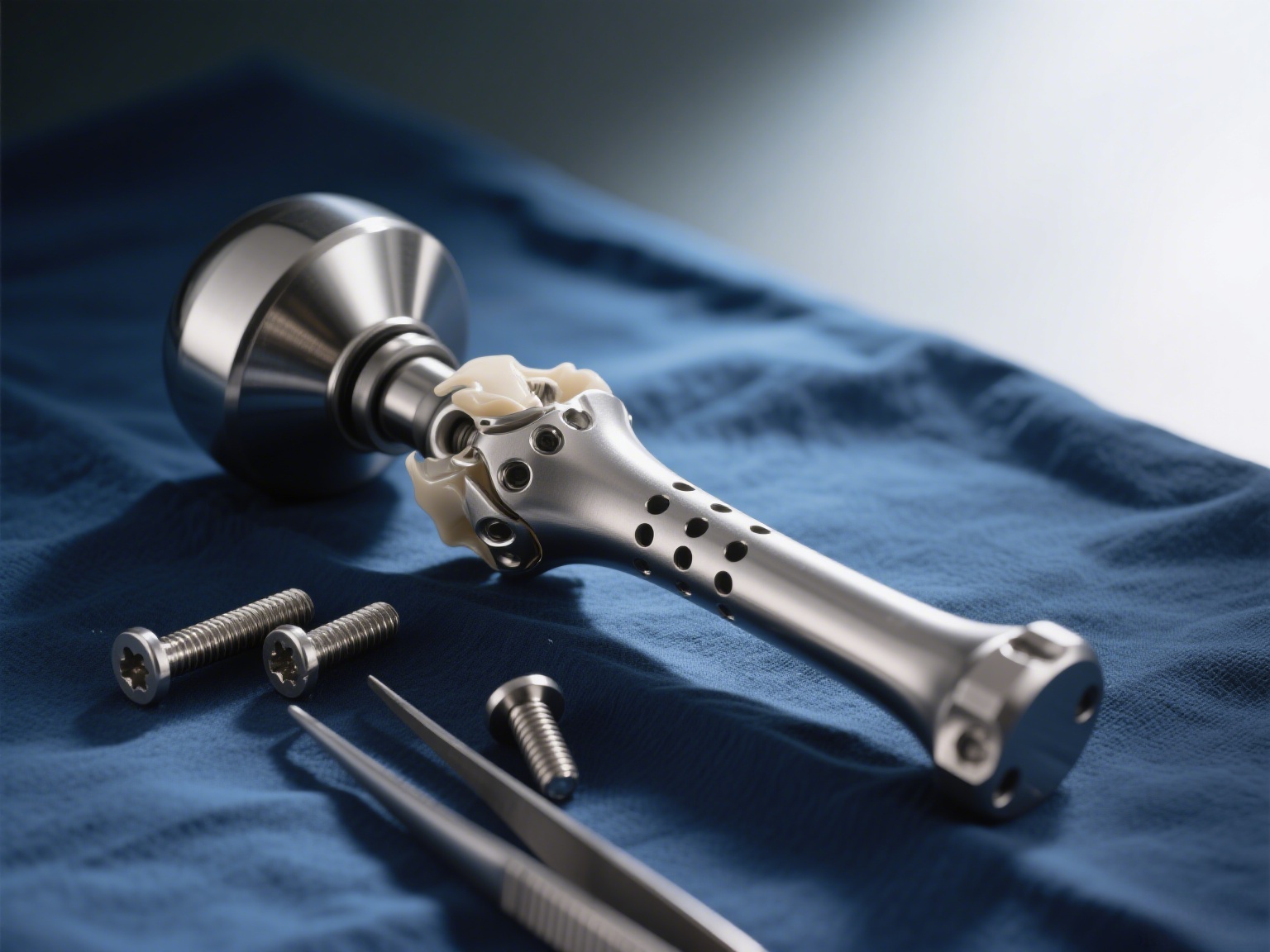
1. High Plasticity and Mechanical Properties
Pure titanium exhibits extraordinary plasticity, with an elongation rate of 50-60% and a sectional shrinkage rate of 70-80%. However, its strength is relatively low, making it unsuitable for structural applications in its pure form.
The mechanical properties of titanium are significantly influenced by the presence of impurities.
Interstitial impurities (such as oxygen, nitrogen, and hydrogen) can dramatically increase titanium's strength while reducing its plasticity.
For medical applications, the proper balance of impurity content and alloying elements is crucial to achieve the desired combination of strength and ductility.
2. Advantages of Medical-Grade Titanium Sheets
Medical-grade titanium sheets are engineered to meet strict performance requirements, combining excellent mechanical properties with resistance to extreme conditions.
Titanium has an extremely high melting point of 1668°C and is resistant to strong acids and alkalis.
Medical titanium sheets can withstand prolonged exposure to body fluids without corroding, ensuring durability and safety for implants.
2.2 Superior Mechanical Strength
By carefully controlling impurities and adding alloying elements, titanium sheets achieve the mechanical strength required for structural implants.
Common titanium alloys, such as Ti-6Al-4V, Ti-5Al-2.5Sn, and ELI Ti-6Al-4V, offer excellent strength, fatigue resistance, and compatibility with human bone.
3. Titanium Alloys in Medical Implants
The most widely used titanium alloys for medical implants include:
Ti-6Al-4V: The most popular titanium alloy for implants, offering high strength, excellent fatigue resistance, and biocompatibility.
Ti-5Al-2.5Sn: Known for its moderate strength and excellent corrosion resistance.
ELI Ti-6Al-4V (Extra Low Interstitial): A high-purity version of Ti-6Al-4V with enhanced biocompatibility and reduced risk of rejection by the body.
3.2Advantages of Titanium Alloys
High Specific Strength: Titanium alloys provide a strength-to-weight ratio superior to any other metal. For example, titanium's specific strength is three times greater than stainless steel and 1.3 times higher than aluminum alloys.
Fatigue Resistance: Titanium alloys are highly resistant to fatigue, a critical property for implants subjected to repetitive mechanical stress.
Biocompatibility: Titanium’s natural oxide layer prevents adverse reactions with the human body, making it ideal for long-term implantation.
4. Magnetic Properties and MRI Compatibility
Titanium’s density ranges from 4.506 to 4.516 g/cm³ (at 20°C), placing it between aluminum and heavier metals like iron, copper, and nickel. However, titanium’s specific strength is the highest among metals.
Non-Magnetic Properties: Titanium is a paramagnetic material, with a magnetic susceptibility of 1.00004.
MRI Safety: Since titanium implants are non-magnetic, they are safe for patients undergoing MRI scans, ensuring no interference with imaging results.
5. Applications of Titanium Sheets in Medical Implants
Titanium sheets are widely used in the production of implants and medical devices, including:
Artificial Joints: Titanium sheets are used to create hip, knee, and shoulder joints due to their strength, durability, and resistance to fatigue.
Bone Plates and Screws: Titanium sheets serve as the foundation for bone fixation devices, ensuring stability during the healing process.
Dental Implants: Titanium is commonly used for dental crowns, bridges, and implants due to its biocompatibility and ability to integrate with bone (osseointegration).
Orthodontic Devices: Titanium wires and sheets are used in braces and other orthodontic tools.
5.3 Craniofacial and Maxillofacial Applications
Titanium sheets are used in reconstructive surgeries to repair skull fractures and jaw deformities.
5.4 Prosthetics and Artificial Organs
Prosthetic Devices: Titanium sheets are used in artificial limbs and prosthetic components, providing lightweight and durable solutions for patients.
Artificial Organs: Titanium sheets are used in heart valves, pacemaker cases, and other implantable medical devices.
6. Why Titanium Sheets Are Essential for Medical Implants
6.1 Key Benefits:
①Biocompatibility: Titanium integrates seamlessly with human tissue, reducing the risk of rejection.
②Corrosion Resistance: Titanium is unaffected by body fluids, ensuring long-term stability.
③Lightweight and Strong: Its high specific strength makes it ideal for load-bearing implants.
④MRI Compatibility: Non-magnetic properties ensure safety during MRI scans.
6.2 Future Prospects
With advancements in 3D printing and surface treatments, titanium sheets are expected to play an even greater role in the development of next-generation medical implants tailored to individual patients.
7. Emerging Applications in Desalination and Clean Energy
7.1 Desalination:
Titanium sheets are increasingly used in reverse osmosis systems and thermal desalination plants, which are critical for addressing global water scarcity challenges.
7.2Clean Energy:
Solar Panels: Titanium sheets are being explored for use in solar panel frames due to their lightweight and corrosion-resistant properties.
Hydrogen Production: Titanium is used in electrolyzers for producing hydrogen fuel.
Conclusion
Titanium sheets are a cornerstone of modern medical technology, offering unmatched properties for the production of implants and medical devices. From artificial joints and dental implants to prosthetics and craniofacial reconstructions, titanium sheets provide the strength, durability, and biocompatibility needed for life-enhancing medical solutions.
As research continues to advance, titanium sheets will remain an indispensable material for medical applications, ensuring better outcomes for patients worldwide.
Looking to source high-quality titanium sheets for medical devices? Contact us today to learn more about our advanced medical-grade titanium products and customized solutions.