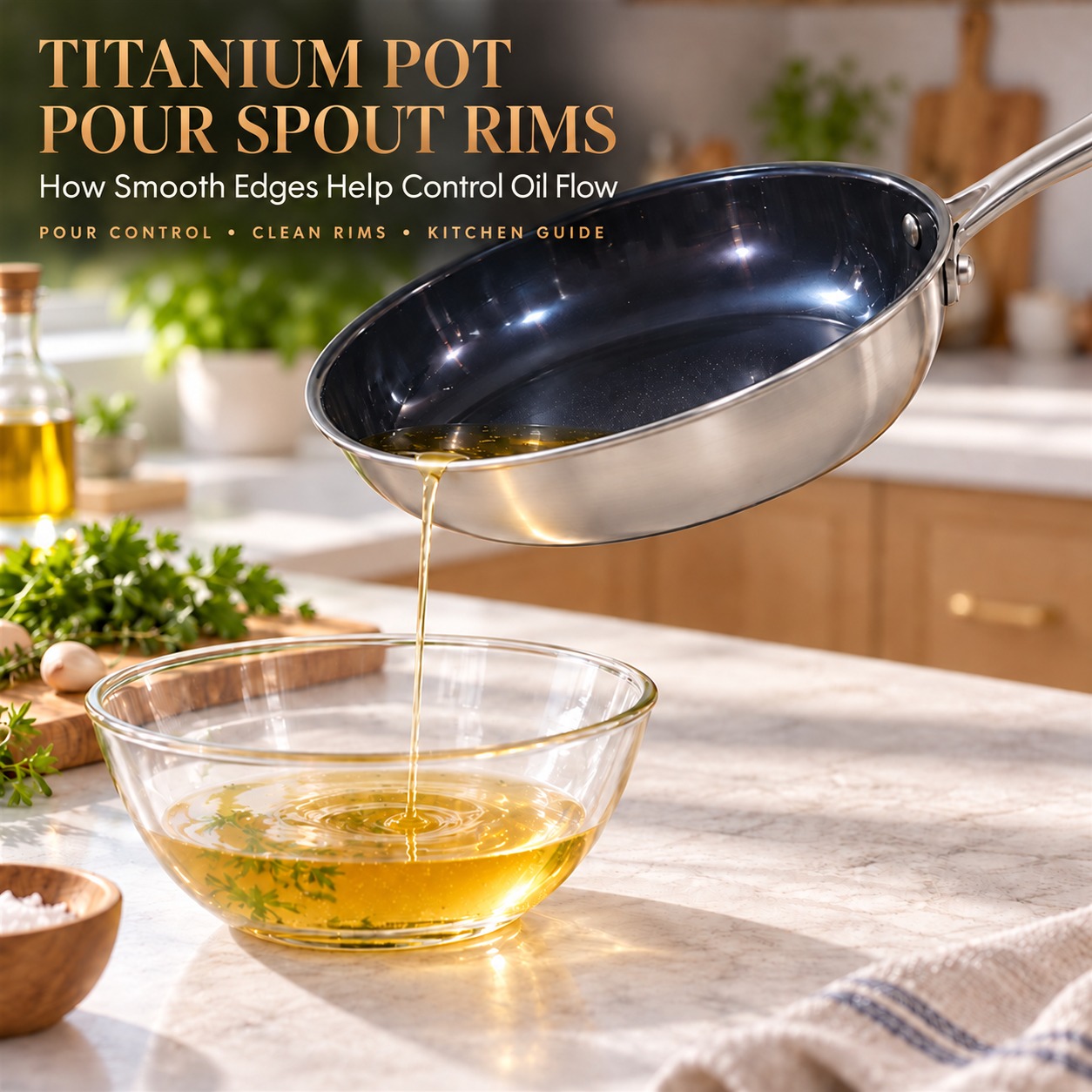
In the consumer home furnishing and consumer electronics sectors, titanium is being used more and more widely, even becoming a standard material in the color and material design of some high-end products. Examples include the mid-frames of premium mobile phones, as well as titanium water cups and cookware. This growing popularity is not only due to titanium’s lightweight and strength but also its potential for unique surface textures and enhanced functional properties. To give titanium its distinctive appearance and to improve characteristics such as hardness, toughness, and weather resistance, manufacturers are turning to a diverse array of surface treatment processes. These include anodizing, high-temperature crystallization, wire drawing, liquid phase deposition, electroplating, laser treatment, sandblasting, polishing, electrophoresis, CNC machining, etching, and more.
Among these, anodized titanium and titanium PVD (Physical Vapor Deposition) are especially noteworthy for their ability to create vivid, stable colors and durable finishes, making them popular choices in both the design and manufacturing of consumer products. This article will explore and analyze these titanium surface treatment processes through practical product design examples, illustrating how different techniques can enhance not only the visual appeal but also the overall performance and longevity of titanium in various applications
1. Anodized Titanium: Color, Performance, and Pattern
Principle and Process
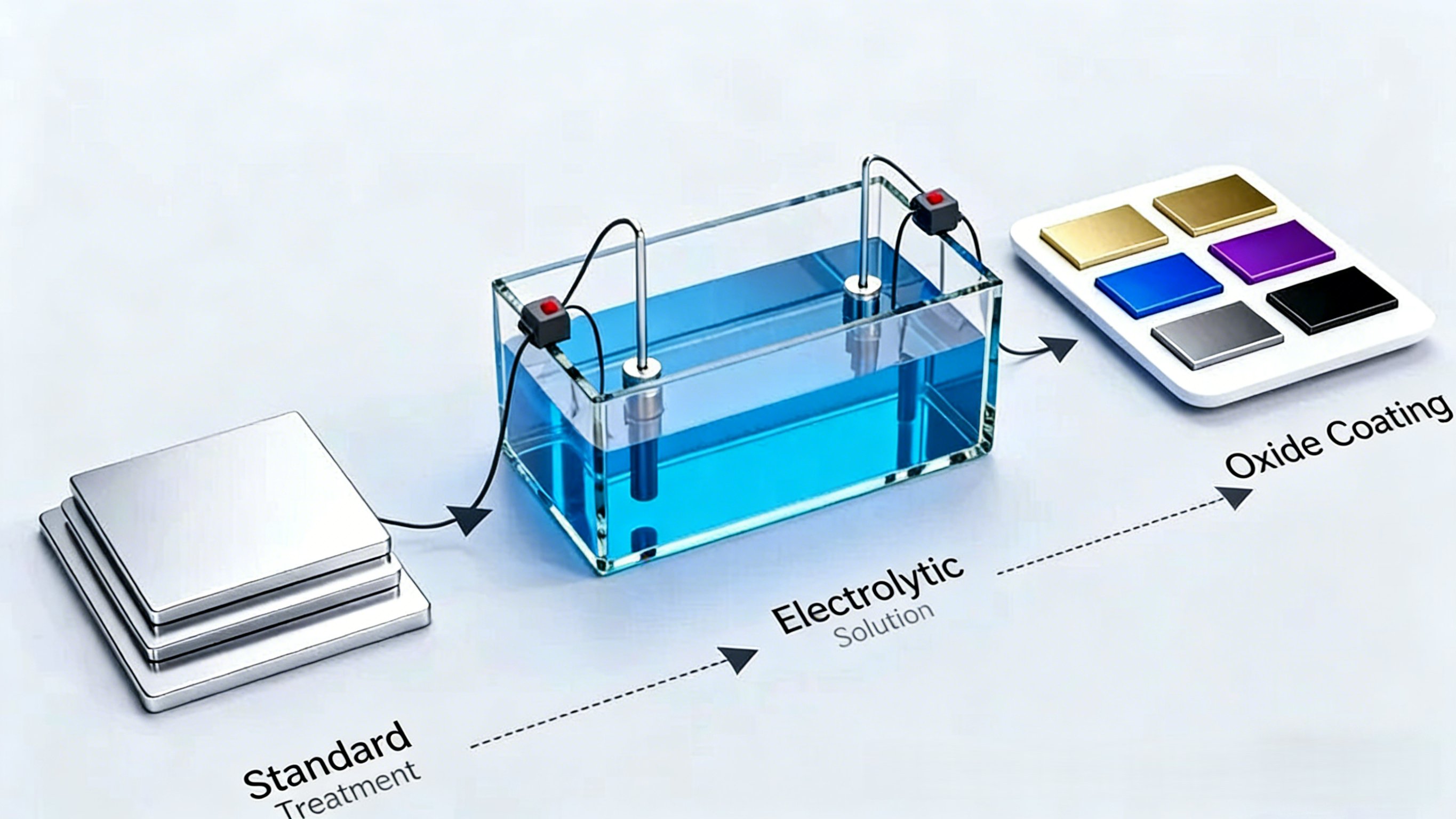
Anodizing is one of the most widely used titanium surface treatment technologies, comparable to its application in aluminum alloys. The process involves placing titanium in a specific electrolyte solution and passing an electric current through it. This results in the formation of a nanometer-scale titanium dioxide (TiO₂) film on the metal’s surface.
Unlike traditional coatings, the anodic oxide layer itself is colorless and transparent. However, this thin oxide film acts as an optical filter, causing light interference and refraction that give rise to vivid, iridescent colors. The final color depends on the thickness of the oxide layer, which is determined by the anodizing voltage. By precisely controlling the voltage, manufacturers can produce a spectrum of colors—brown, purple, blue, gold, green, pink, and more—without the use of dyes or pigments.
Functional Benefits
· Coloration: Anodized titanium enables visually striking colors and patterns, which are extremely stable and do not fade over time, as there are no organic dyes involved.
· Surface Property Enhancement: The anodic oxide layer increases surface hardness, improves abrasion resistance, and enhances corrosion resistance, making titanium even more durable in challenging environments.
· Patterning: By masking certain areas during the anodization process or combining with laser etching, intricate patterns, logos, or decorative motifs can be created.
Applications
· Medical Devices: Anodized titanium is widely used for surgical instruments, implants, and dental devices, where color coding and enhanced biocompatibility are essential.
· Consumer Goods: Titanium water bottles, mugs, cutlery, and titanium cookware benefit from the vibrant colors and improved durability provided by anodizing.
· Electronics: Anodized titanium adds a premium, customizable finish to device enclosures and wearable tech.
2. High-temperature Crystallization: Texture, Pattern, and Artistry
Principle and Process
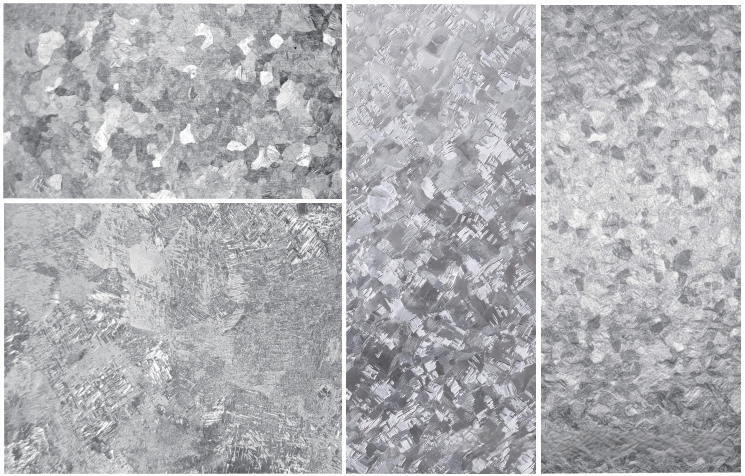
High-temperature crystallization is a specialized heat treatment process that takes advantage of titanium’s allotropic transformation. Titanium exists in a hexagonal close-packed (α) phase at room temperature, but when heated to about 882.5°C, it transforms to a body-centered cubic (β) phase. If the temperature continues to rise above 1000°C, crystalline structures begin to form on the metal’s surface.
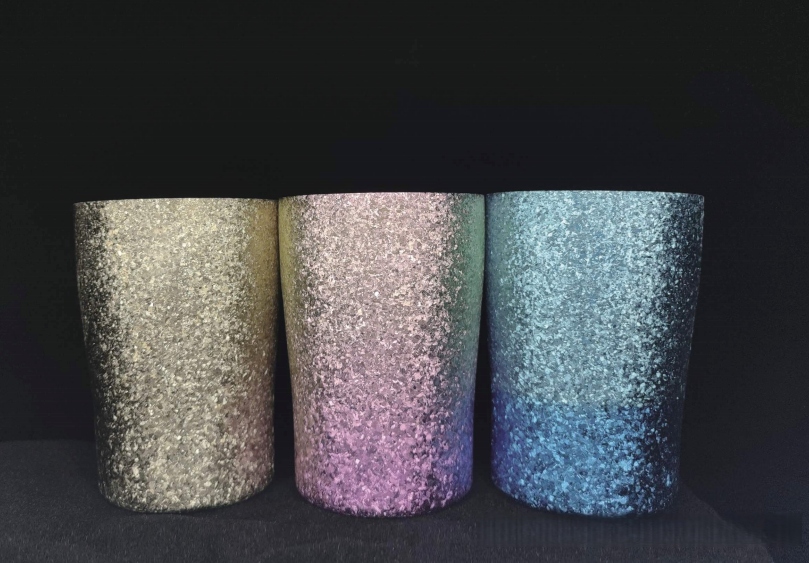
By carefully controlling the heating rate, temperature, and cooling process, manufacturers induce the growth and uniformity of these surface crystals, resulting in one-of-a-kind textures and patterns. The outcome is a matte, frosted appearance with anti-fingerprint properties and mesmerizing, artful designs.
Functional Benefits
· Unique Surface Texture: The crystallized structure imparts a tactile, matte finish that resists fingerprints and smudges.
· Patterning and Aesthetics: Each piece acquires an individual, natural pattern, comparable to the grain of wood or natural stone, elevating the artistic value of the product.
· Increased Hardness: The crystallized outer layer enhances wear resistance and toughness.
Applications
· 3C Products: High-end electronics, such as smartphone frames and smartwatch casings, often use this process for its sophisticated, modern appearance.
· Jewelry and Art: Titanium rings, pendants, and sculptures benefit from unique, unrepeatable patterns.
· Tableware and Cookware: High-temperature crystallization provides both beauty and function for daily-use items.
3. Wire Drawing (Brushed Finish): Texture, Matte Feel, and Fingerprint Resistance
Principle and Process
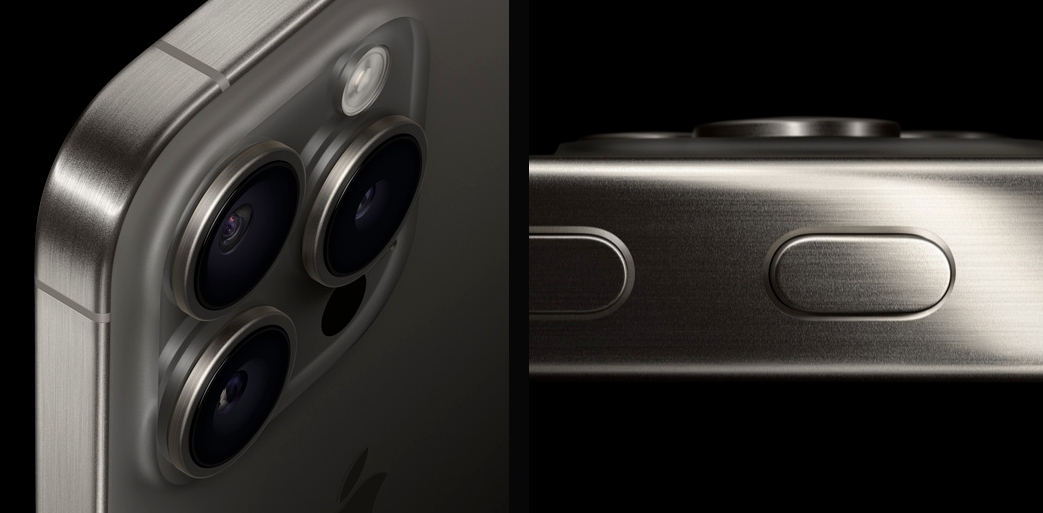
Wire drawing—also known as brushing—is a mechanical surface treatment that imparts a linear or patterned texture to titanium while preserving its natural metallic color. This is achieved through precision machining, grinding, and brushing, sometimes followed by sandblasting or polishing.
The iPhone 15 Pro titanium frame, for instance, uses a brushed finish achieved through a multi-step process: CNC machining, fine grinding, wire drawing, and sandblasting, resulting in a refined, tactile surface.
Functional Benefits
· Matte Texture: The brushed finish softens reflections, creating a premium, understated look.
· Anti-fingerprint: The fine grooves reduce the visibility of smudges and fingerprints.
· Retains Natural Color: Unlike coloration processes, brushing maintains the metal’s authentic appearance, appealing to minimalists.
Applications
· Consumer Electronics: Smartphones, laptops, and tablets utilize brushed titanium for both functional and aesthetic reasons.
· Cookware: Brushed titanium pots and pans offer a sophisticated appearance while remaining easy to keep clean.
· Luxury Goods: Watches, writing instruments, and eyewear frames often feature brushed titanium for its modern elegance.
4. PVD Titanium: Color, Performance, and Extended Life
Principle and Process
PVD (Physical Vapor Deposition) is a vacuum-based process where titanium or titanium compounds are vaporized and deposited as a thin, hard film onto the surface of the target product. PVD titanium coatings are commonly used in consumer electronics and luxury goods, offering precise control over color and surface properties.
The process involves placing the object in a vacuum chamber, where titanium is vaporized through arc discharge, sputtering, or evaporation. The vaporized material then condenses onto the substrate, forming a dense, uniform coating often just a few microns thick.
Functional Benefits
· Coloration: PVD enables a wide range of metallic colors (gold, blue, black, rainbow, etc.) with exceptional stability and uniformity.
· Surface Hardness: PVD coatings dramatically increase the surface hardness, making products highly scratch-resistant and more durable.
· Corrosion Resistance: The PVD layer acts as a barrier, further protecting the titanium from environmental attack.
Applications
· Consumer Electronics: PVD titanium is widely used for smartphone mid-frames, buttons, and accessories to provide both vibrant color and robust surface resistance.
· Titanium Cookware: PVD coatings add a luxurious finish and further enhance wear resistance.
· Jewelry and Watches: PVD allows for color customization and increased scratch resistance in high-value, daily-wear items.
5. Micro-arc Oxidation (MAO): Coloration and Performance Enhancement
Principle and Process
Micro-arc oxidation, also known as plasma electrolytic oxidation (PEO), is a liquid-phase film-forming technique similar in some respects to anodizing, but it employs much higher voltages to generate arc discharges on the metal surface. These micro-arcs induce a plasma state, facilitating complex physical, chemical, and electrochemical reactions that result in the in-situ formation of a robust ceramic oxide layer on the substrate.
This oxide film, typically between 5 and 20 microns thick, can be engineered for color without the use of dyes. Its crystalline structure and thickness can be controlled to fine-tune both appearance and function.
Functional Benefits
· Color Options: Like anodizing, MAO enables coloration through interference effects, producing natural, durable hues.
· Enhanced Surface Properties: The ceramic-like oxide film greatly increases hardness, corrosion resistance, electrical insulation, and wear resistance.
· Adhesion: The in-situ formation ensures extremely strong bonding with the substrate.
Applications
· Medical Devices: The biocompatible and hard oxide layer is ideal for implants and surgical tools.
· Cookware: Micro-arc oxidation is used on titanium cookware for a durable, easy-clean surface.
· Automotive and Aerospace: MAO-treated titanium parts benefit from enhanced durability in harsh environments.
6. Polishing: Surface Smoothness and Gloss
Principle and Process
Polishing is a mechanical process that uses fine abrasives to remove surface imperfections from titanium and create a smooth, reflective, or satin finish. Depending on the desired effect, varying grades of abrasive media and polishing techniques can be applied to achieve either a high-gloss mirror shine or a subtle matte luster.
Functional Benefits
· Enhanced Appearance: Polishing upgrades the look of titanium products, making them appear cleaner and more refined.
· Defect Removal: Surface flaws, scratches, and machining marks are eliminated, improving tactile quality.
· Customizable Finish: Both glossy and matte finishes can be achieved, depending on product requirements.
Applications
· Luxury Goods: Jewelry, watches, and high-end accessories are often polished to a mirror finish for maximum impact.
· Consumer Products: Water bottles, cups, and cookware utilize polished titanium for easier cleaning and premium aesthetics.
· Medical and Dental Devices: Polished surfaces are easier to sterilize and less likely to harbor bacteria.
7. Electrophoresis: Efficient, Eco-friendly Coloration
Principle and Process
Electrophoresis, or electrocoating, is another effective way to add color to titanium. In this process, titanium items are submerged in a bath of water-based paint or resin. When an electrical current is applied, the paint particles migrate and adhere uniformly to the titanium surface, forming a thin, durable film.
This method is highly automated, environmentally friendly, and suited for large-scale production.
Functional Benefits
· Uniform Coating: Electrophoresis ensures consistent coverage, even on complex shapes.
· Eco-friendly: Uses water-based coatings, reducing VOC emissions and process waste.
· Efficiency: High throughput and automation make it ideal for mass production.
Applications
· Consumer Electronics: Provides protective and decorative finishes for device enclosures and accessories.
· Household Goods: Colorful, durable finishes on titanium kitchenware, tableware, and home décor products.
· Automotive: Used for both exterior and interior titanium trim parts.
Additional Titanium Surface Treatment Techniques
CNC Machining
CNC (Computer Numerical Control) machining allows for precise shaping, engraving, and texturing of titanium surfaces, enabling intricate patterns and custom geometries in high-end products.
Sandblasting
Sandblasting involves propelling fine abrasive media at high speed onto the titanium surface, creating a uniform matte texture that improves grip and hides fingerprints.
Laser Treatment
Laser marking, engraving, or texturing can be used to create permanent logos, QR codes, or micro-patterns for anti-counterfeiting or artistic purposes.
Etching
Chemical or electrochemical etching selectively removes titanium from the surface, producing designs, text, or anti-slip textures.
Comparative Summary: Key Attributes of Titanium Surface Treatments | |
Pursuing gloss and smoothness: | Polishing |
A wide range of colors and hardness are required: | anodized titanium |
Requires versatility or special colors: | PVD coating |
A matte, textured surface is required. | wire drawing |
Artistic patterns and textures are needed. | Chemical etching, CNC machining, laser processing, high-temperature crystallization |
Titanium Surface Treatments in Product Design: Real-world Examples
Consumer Electronics
· Smartphone Frames: The iPhone 15 Pro uses brushed and PVD titanium for a premium feel, improved scratch resistance, and unique coloring.
· Wearable Devices: Smartwatches and fitness bands benefit from anodized, sandblasted, or PVD titanium for lightweight strength and enhanced aesthetics.
· Laptops and Tablets: High-temperature crystallization and micro-arc oxidation provide both beauty and resilience.
Home Furnishing and Tableware
· Titanium Cookware: Anodizing, micro-arc oxidation, and polishing are commonly used to create easy-to-clean, colorful, and durable surfaces on pots, pans, and mugs.
· Cutlery and Cups: Brushed, sandblasted, and PVD titanium provide anti-fingerprint and scratch-resistant surfaces.
Jewelry and Luxury Goods
· Rings and Watches: Polished, anodized, and PVD titanium combine color, shine, and durability.
· Eyewear and Writing Instruments: Brushed and etched titanium offer lightweight strength and tactile sophistication.
Medical and Aerospace
· Implants and Surgical Instruments: Anodized and micro-arc oxidation treatments ensure biocompatibility, color coding, and surface strength.
· Aircraft Components: PVD and MAO treatments enhance corrosion resistance and wear performance in extreme environments.
Frequently Asked Questions and Answers
1. What are the most common titanium surface treatment processes, and what distinct functional purposes does each serve (e.g., enhancing corrosion resistance, improving coating adhesion)?
The most common titanium surface treatment processes include anodizing, PVD coating, micro-arc oxidation, high-temperature crystallization, wire drawing, polishing, sandblasting, electrophoresis, and laser treatment. Each serves distinct purposes:
Anodizing: Adds vibrant, stable color without dyes, increases corrosion resistance, and allows for patterning.
PVD Coating: Deposits a hard, colored layer that enhances scratch resistance, surface hardness, and corrosion resistance.
Micro-arc Oxidation: Produces a thick ceramic oxide layer, improving hardness, wear resistance, electrical insulation, and corrosion resistance.
High-temperature Crystallization: Creates unique textures and patterns, increases surface hardness, and provides anti-fingerprint effect.
Wire Drawing (Brushing): Adds a matte, textured finish that hides fingerprints and retains the natural metallic look.
Polishing: Improves surface smoothness and appearance, making cleaning easier.
Sandblasting: Produces a uniform matte surface for better grip and scratch concealment.
Electrophoresis: Adds color using water-based paints in an eco-friendly, automated manner.
Laser Treatment: Enables precise marking, branding, or anti-counterfeiting features.
2. Which titanium surface treatment processes are preferred for aerospace and medical device applications, and what unique benefits do they offer for these high-stakes industries?
For aerospace and medical device applications, anodizing and micro-arc oxidation (MAO) are most commonly preferred. These processes provide:
· Superior Biocompatibility: Both treatments are free from toxic elements and enhance the compatibility of titanium with human tissue (critical for implants and surgical tools).
· Enhanced Surface Strength: MAO, in particular, creates a ceramic-like layer that resists abrasion and wear.
· Corrosion Resistance: Both processes boost the natural corrosion resistance of titanium, essential for long-term exposure to bodily fluids or harsh environments.
· Color Coding: Anodizing allows for easy identification of instruments and implants through stable color coding.
PVD titanium is also used in aerospace for decorative and functional coatings, especially where increased hardness and wear resistance are needed on non-structural parts.
3. How do different titanium surface treatment processes impact key performance attributes of titanium, such as wear resistance, biocompatibility, and resistance to environmental degradation?
· Wear Resistance: PVD, micro-arc oxidation, and high-temperature crystallization all significantly increase surface hardness and wear resistance. Brushing and sandblasting also help by masking scratches.
· Biocompatibility: Anodizing and micro-arc oxidation are highly biocompatible, making them ideal for medical devices and implants.
· Environmental Resistance: All major treatments (anodizing, PVD, MAO) enhance resistance to corrosion, oxidation, and chemical attack, making titanium suitable for marine, aerospace, and medical environments.
· Aesthetics and Maintenance: Processes such as polishing and wire drawing improve the cleanliness and appearance of products, while anti-fingerprint textures (from crystallization or brushing) reduce visible wear in daily use.