1. Classification of Pure Titanium
2. Properties of Pure Titanium
3.1 Chemical and Petrochemical Industry
3.5 Other Industrial Applications
Pure Titanium – A Versatile Material
Titanium is a versatile metal known for its lightweight properties, high strength-to-weight ratio, and exceptional corrosion resistance. Pure titanium, in particular, has a wide range of applications in industries such as aerospace, chemical processing, and marine engineering. This article explores the classification, properties, and uses of pure titanium, providing a comprehensive understanding of this remarkable material.
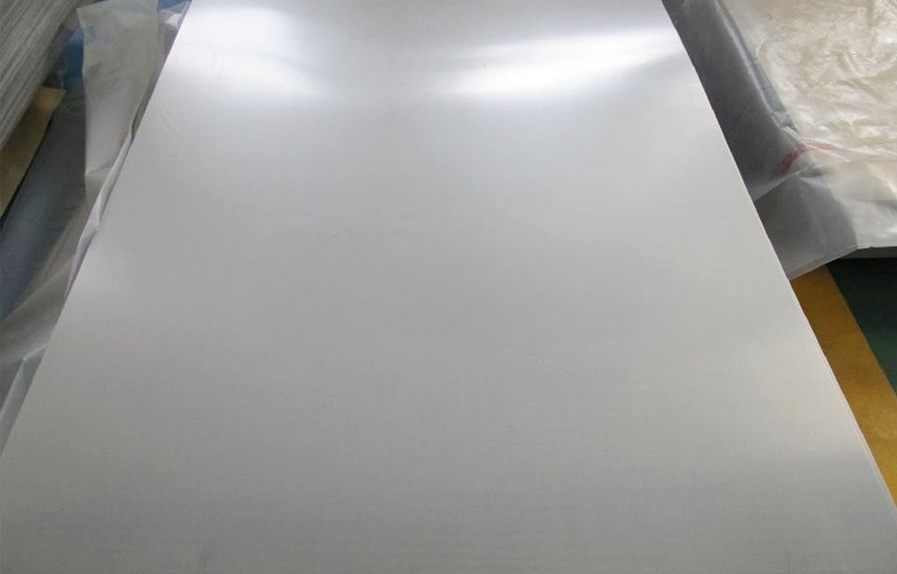
1. Classification of Pure Titanium
Pure titanium can be classified based on its impurity content, which directly affects its properties and applications.
Types of Pure Titanium
Purity: 99.9%
Applications: Specialized fields requiring extreme corrosion resistance and chemical stability, such as medical implants and high-end chemical equipment
Purity: 99.5%
Grades: GR1, GR2, GR3
GR1: Highest purity, best corrosion resistance, and highest ductility.
GR2: Balanced strength and corrosion resistance, the most commonly used grade.
GR3: Lower purity, higher strength, suitable for more demanding industrial applications
Relationship Between Grade and Purity
The higher the grade number, the lower the purity of the titanium. However, with reduced purity comes an increase in strength, making lower-purity grades suitable for higher-strength applications.
2. Properties of Pure Titanium
Pure titanium exhibits unique physical and mechanical properties that make it highly desirable across various industries.
Physical Properties
Density (ρ): 4.507 g/cm³ (lightweight compared to steel).
Melting Point (Tm): 1688°C (excellent high-temperature resistance).
2.1 Allotropic Transformation
Titanium undergoes a polymorphic transformation depending on temperature:
Below 882.5°C: Titanium has a hexagonal close-packed (HCP) α-phase structure, which contributes to its excellent corrosion resistance and ductility.
Above 882.5°C: Titanium transitions to a body-centered cubic (BCC) β-phase structure, which offers improved plasticity for processing.
2.2 Mechanical Properties
Strength: Although pure titanium has relatively low strength compared to alloys, its high strength-to-weight ratio makes it superior to many metals like aluminum.
Plasticity: Excellent ductility, allowing it to be easily formed and shaped.
Low-Temperature Toughness: Retains toughness at extremely low temperatures, making it suitable for cryogenic applications.
Corrosion Resistance: Outstanding resistance to corrosion in aggressive environments, including seawater, acids, and alkalis.
Processing Characteristics
Pressure Forming: Titanium has excellent pressure-forming properties, making it ideal for forging, rolling, and other deformation processes.
Cutting and Welding: Titanium has poor machinability due to its tendency to react with cutting tools and generate heat. During welding or heating, argon gas shielding must be used to prevent combustion in nitrogen-rich environments.
3. Uses of Pure Titanium
The applications of pure titanium depend on its grade and impurity content. A small amount of impurities can significantly enhance its strength, making industrial pure titanium comparable to high-strength aluminum alloys.
Key Applications
3.1 Chemical and Petrochemical Industry
Heat Exchangers and Reactors: Industrial pure titanium is widely used in heat exchangers, reactors, and other equipment operating below 350°C in petrochemical plants. Its corrosion resistance ensures durability in aggressive chemical environments.
Desalination Plants: Ideal for equipment exposed to seawater, such as pumps, piping, and valves
Aircraft Skins: GR2 and GR3 titanium are used to manufacture lightweight and durable aircraft skins, enhancing fuel efficiency and reducing overall weight.
Structural Components: Used in frames and other high-stress components requiring a balance of strength and corrosion resistance.
3.3 Marine Engineering
Ship Components: Titanium is used in parts exposed to seawater, such as propellers, shafts, and hull fittings, due to its exceptional resistance to seawater corrosion.
Medical Implants: High-purity titanium is biocompatible, making it suitable for surgical implants, such as joint replacements and dental implants.
3.5 Other Industrial Applications
Power Generation: Used in condensers and heat exchangers in power plants.
Consumer Goods: Found in high-end watches, bicycles, and sports equipment due to its lightweight and high durability.
Pure Titanium – A Versatile Material
Pure titanium, with its unique combination of lightweight properties, high strength-to-weight ratio, and exceptional corrosion resistance, is a material of choice across many industries. From aerospace to chemical processing, pure titanium's versatility and durability make it indispensable in high-performance applications.
Whether you're looking for GR1 titanium for maximum corrosion resistance or GR3 for higher strength, the right grade of pure titanium can meet your specific needs.
Interested in premium titanium products? Contact us today for high-quality titanium bar stock and tailored solutions for your industry.