An alloy composed of titanium and nickel is called a "memory alloy." When this alloy is formed into a predetermined shape and later deformed by external forces, it tends to return to its original form because of its powerful "memory" function. This unique property has enabled the alloy's use in many fields, especially in medicine. Its application in the clinical practice of orthodontics has also achieved excellent results.
In orthodontic treatment, materials commonly used by clinicians include nickel-titanium wire, β-titanium wire, nickel-titanium springs, titanium nails, and titanium plates. Among these, nickel titanium wire stands out due to its ultra-elasticity and remarkable shape memory. These features allow it to apply continuous, gentle forces to teeth, improving the efficiency of dental movement while minimizing patient discomfort. As a result, nickel titanium wire orthosis has revolutionized modern orthodontic techniques, providing both reliable performance and patient comfort. This article explores how the ultra-elastic and shape memory properties of nickel titanium wire orthosis can significantly enhance dental movement efficiency in orthodontics.
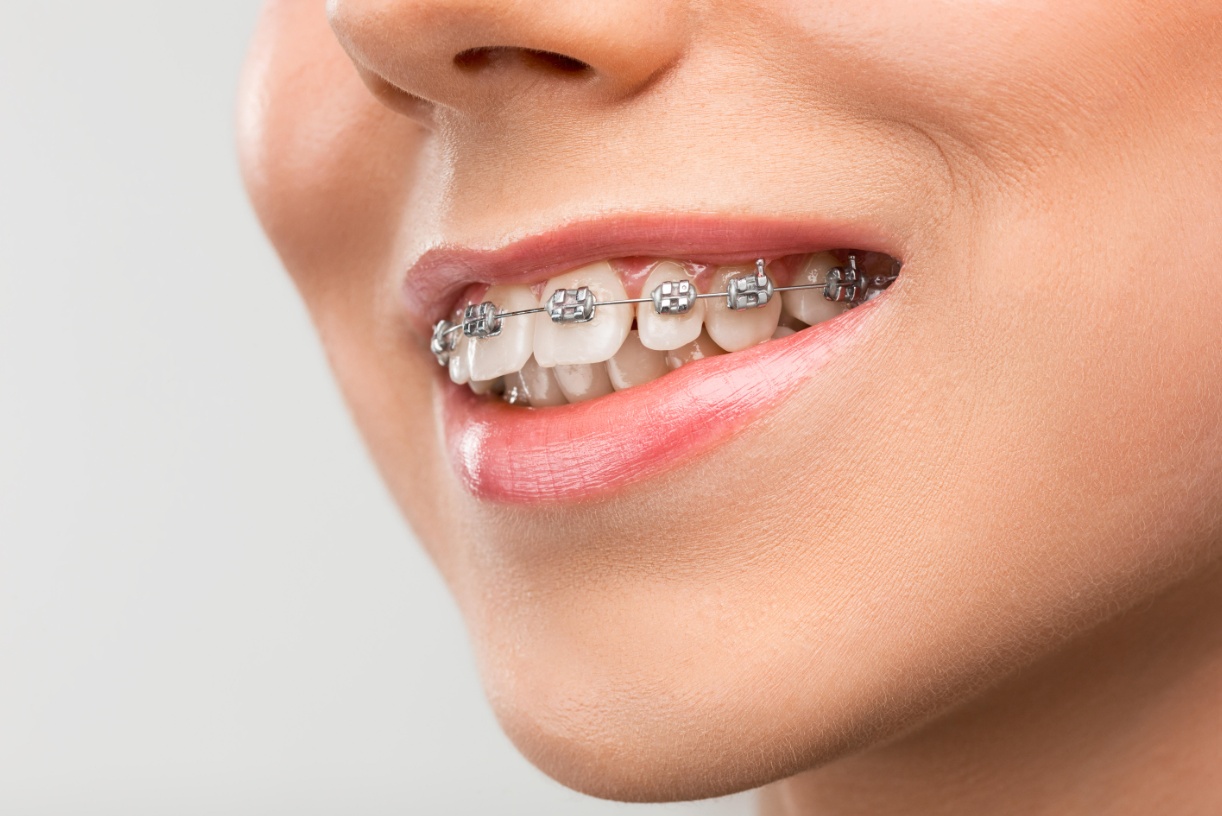
1. Types and Characteristics of Nickel Titanium Wire
Nickel titanium wire (NiTi), also known as a shape memory alloy, is distinguished by its ability to alter internal atomic arrangements in response to external factors such as stress and temperature. These atomic shifts generate unique mechanical properties, making NiTi wires invaluable in clinical orthodontics. Currently, four main types of nickel titanium wires are commonly used: conventional NiTi wire, superelastic NiTi wire, thermally activated NiTi wire, and nickel titanium springs.
1.1 Conventional Nickel Titanium Wire
Conventional NiTi wire, often referred to as traditional nickel titanium alloy wire, is produced using cold-working processes. At both room and oral temperatures, this wire remains stable and does not exhibit phase transitions during orthodontic treatment. As a result, it lacks superelasticity and shape memory properties. Without these advanced features, conventional NiTi wire is rarely used in modern clinics, as it cannot provide the continuous, gentle forces required for efficient tooth movement.
1.2 Superelastic Nickel Titanium Wire
Superelastic NiTi wire, also known as pseudoelastic nickel titanium wire, is engineered to undergo phase changes when subjected to constant temperature and loading. Even if the applied stress exceeds the elastic limit, the wire displays excellent spring-back properties, returning to its original shape. A notable advantage of superelastic NiTi wire is its unique force-deflection behavior: at low loads, it is stiffer and releases greater force, while at higher loads, its stiffness decreases and the released force becomes gentler. This self-regulating force is particularly beneficial for controlled and comfortable tooth movement.
1.3 Thermally Activated Nickel Titanium Wire
Thermally activated NiTi wire, sometimes called heat-activated or temperature-sensitive nickel titanium wire, combines both superelasticity and shape memory. Through processes such as forming, pressing, heat treatment, and cooling, the wire is given a fixed shape. When deformed by external forces, it can be restored to its original form with slight warming, such as by body temperature in the oral cavity. At room temperature, it is soft and easy to bend, but upon exposure to oral temperature, it is rapidly activated and returns to its preset configuration. This property allows for gentle, continuous force application, making it highly effective in clinical orthodontics.
1.4 Nickel Titanium Springs
Nickel titanium springs are another significant application of NiTi alloys in orthodontics. These springs demonstrate exceptional elasticity, generating stable and durable forces under both extension and compression. Their ability to maintain low permanent deformation and minimal force decay ensures a steady, mild force ideal for physiological tooth movement. As a result, nickel titanium springs are widely used as mechanical devices in orthodontic treatment.
2. Clinical Application of Titanium and Titanium Alloy Materials in Orthodontics
Titanium and its alloys are now central to orthodontic treatment due to their unique combination of light weight, high strength, and corrosion resistance. These properties allow for long-lasting, biocompatible, and efficient orthodontic appliances.
2.1 Nickel Titanium Wire in Orthodontic Treatment
Nickel titanium wire is extensively used in clinical orthodontics, particularly in the initial phase of tooth alignment. Its adaptability, high rebound, and continuous force-delivery capabilities make it the material of choice for bringing teeth into proper alignment efficiently and comfortably. The performance and effectiveness of NiTi wire, however, can be affected by several factors:
· Nickel Ion Release: In the oral environment, NiTi wires may gradually release nickel ions, which can raise concerns regarding allergic reactions or sensitivities in some individuals.
· Alloying Elements: Adding other metals can alter the wire’s mechanical and corrosion-resistant properties, potentially improving performance or biocompatibility.
· Surface Coatings: Surface treatments and coatings are sometimes applied to enhance aesthetics, reduce friction, or further improve corrosion resistance.
· Patient Behavior: Habits such as diet, oral hygiene, and chewing patterns can impact the longevity and effectiveness of the wire.
· Temperature Variation: The oral environment’s temperature changes can influence the activation and force delivery, especially for thermally sensitive wires.
Despite these variables, the superelasticity and shape memory of nickel titanium wire provide reliable, sustained force, optimizing tooth movement and patient comfort.
2.2 Nickel Titanium Springs in Orthodontics
Nickel titanium springs have become some of the most effective mechanical tools in orthodontic treatment. They deliver forces that closely match physiological requirements for tooth movement, providing excellent rebound and ultra-elastic properties. When stretched, the force produced by these springs does not undergo rapid or excessive change during the recovery phase. Their extremely low permanent deformation rate ensures that the applied force remains stable over time, significantly reducing treatment duration and improving predictability
3. Advantages of Titanium and Titanium Alloy Materials
Titanium and its alloys, particularly nickel titanium wire, offer several advantages that make them unique among dental materials:
· Light Weight: The inherent low density reduces the burden on oral tissues, maximizing patient comfort during treatment.
· High Strength: Titanium alloys maintain strength even in thin wires and springs, ensuring durability and performance throughout extended treatments.
· Corrosion Resistance: Exceptional resistance to corrosion in the oral environment prolongs the lifespan of orthodontic devices and supports long-term biocompatibility.
· Superelasticity and Shape Memory: These properties, fundamental to nickel titanium wire and springs, enable precise and sustained force application, ensuring efficient and gentle tooth movement.
· Biocompatibility: Titanium materials are well tolerated by oral tissues and carry a low risk of causing allergic or inflammatory reactions.
4. Conclusion
Thanks to their unique combination of light weight, high strength, and corrosion resistance, titanium and titanium alloy materials have become indispensable in dentistry, especially in orthodontics. Their excellent performance meets the demanding requirements of clinical orthodontic treatment and ensures both safety and effectiveness. Ongoing research and development in titanium and its alloys are essential for the advancement of dental science, offering the potential for continued innovation and significant improvements in orthodontic outcomes.
Frequently Asked Questions and Answers
1. What are the key advantages of nickel titanium wire in dental orthodontics, and how do its superelasticity and shape memory properties optimize tooth movement and patient comfort?
Nickel titanium wire provides ultra-elasticity and shape memory, enabling it to deliver gentle, continuous forces that encourage efficient and controlled tooth movement. These properties minimize discomfort and reduce the frequency of clinical adjustments, enhancing the overall patient experience and treatment effectiveness.
2. How does nickel titanium wire perform in dental orthodontic treatments compared to traditional materials, particularly in reducing treatment duration and minimizing pain during tooth alignment?
Compared to traditional stainless steel wires, nickel titanium wire offers more consistent and physiologically appropriate forces, which can accelerate initial tooth alignment and reduce overall treatment time. Its superelastic nature helps minimize pain and trauma, providing a more comfortable journey for patients.
3. What considerations are critical when using nickel titanium wire in dental orthodontics, such as biocompatibility, corrosion resistance, and long-term stability in oral environments?
Choosing nickel titanium wire involves ensuring it is highly biocompatible, corrosion-resistant, and stable over long periods in the oral environment. Factors such as surface coatings, alloy composition, and patient-specific habits or sensitivities should also be evaluated to maximize both safety and clinical performance.