Titanium has established itself as a cornerstone of modern industrial engineering, celebrated for its unique combination of physical and chemical attributes. Titanium possesses excellent corrosion resistance, low density, and high strength, making it widely used in sectors ranging from aerospace to complex chemical processing. Yet, despite its reputation as a "wonder metal," the application of unalloyed titanium is not a universal solution for every engineering hurdle. However, industrial pure titanium also presents some challenges, such as crevice corrosion, poor resistance to reduction, susceptibility to corrosion from solid particulate matter, low high-temperature strength, creep susceptibility, and easy oxidation and hydrogenation. These limitations are particularly acute in harsh environments where material failure is not an option, necessitating the evolution of more resilient material standards.
Recognizing these deficiencies, the global materials sector has aggressively pursued the development of specialized alloys to enhance performance. To address these issues, China, based on information from the US, Japan, Russia, and other countries, has conducted imitation and innovation, developing corrosion-resistant titanium alloys such as Ti-0.2Pd, Ti-0.3Mo-0.8Ni, Ti-2Ni, Ti-15Mo, and Ti-32Mo. This strategic evolution represents a shift from merely adopting foreign standards to creating robust domestic capabilities that meet specific industrial needs. The practical results of this development are evident in heavy industry. These alloys have been successfully applied in CP (petrochemical industry) equipment and components in the form of pipes, plates, bars, wires, forgings, and castings.
As the global supply chain becomes increasingly interconnected, the interoperability of materials is paramount. Engineers and procurement specialists must navigate the complex landscape of international standards to ensure safety and efficiency. Therefore, a detailed comparison between the established American standards, which have long guided the global market, and the rapidly evolving Chinese grades is essential. This article aims to bridge the knowledge gap by systematically comparing titanium grades between China and the United States, highlighting the equivalencies, chemical nuances, and mechanical distinctions that define the current state of the industry.
1. The Landscape of Titanium Standards: ISO, ASTM, and GB
The standardization of titanium is a complex global framework. While the International Organization for Standardization (ISO) exists, the number of specific ISO standards for titanium materials is relatively low compared to other metals like steel or aluminum. Consequently, the ISO standards have not achieved universal dominance in the practical trade of titanium.
Instead, the industry relies heavily on national standards that have gained international prestige due to their technical rigor and historical precedence. The American Society for Testing and Materials (ASTM) is arguably the most widely accepted standard system globally. Because the United States was a pioneer in aerospace and chemical processing industries, ASTM standards for titanium grades are characterized by high technical content and strict quality control measures. In the Chemical Process Industry (CPI), ASTM is the default language of engineering.
In parallel, China has developed its own robust system under the Guobiao (GB) standards. While early Chinese titanium production often referenced Soviet or American specifications, modern GB standards have evolved to cover a vast array of domestic innovations. For the Chinese domestic market and increasingly for export, understanding the GB system is essential for procurement and engineering.
2. Comparative Analysis: GB vs. ASTM Systems
The GB and ASTM standard systems share a common metallurgical foundation—after all, a Ti-6Al-4V alloy requires the same chemical balance regardless of where it is melted—but they differ in nomenclature and classification philosophy.
ASTM System:
The ASTM system typically uses a "Grade" (Gr) numbering system.
Gr1 to Gr4: Commercially Pure (CP) Titanium, distinguished primarily by oxygen and iron content, which dictates strength and ductility.
Gr5 and above: Titanium alloys, including Alpha, Alpha-Beta, and Beta alloys, as well as palladium/ruthenium-enhanced grades for corrosion resistance.
GB System:
The Chinese system uses a prefix indicating the microstructural type of the alloy:
· TA: Alpha ($\alpha$) and Near-Alpha alloys (including pure titanium).
· TB: Beta ($\beta$) and Near-Beta alloys.
· TC: Alpha-Beta ($\alpha$-$\beta$) alloys.
While direct equivalents often exist (e.g., ASTM Gr5 is chemically nearly identical to GB TC4), distinct differences in trace element allowances and mechanical testing requirements can exist
3. Detailed Breakdown of ASTM Titanium Grades
The following table outlines the chemical composition and application characteristics of major ASTM titanium grades. This list highlights the progression from pure titanium to complex, corrosion-resistant alloys used in the CPI and aerospace sectors.
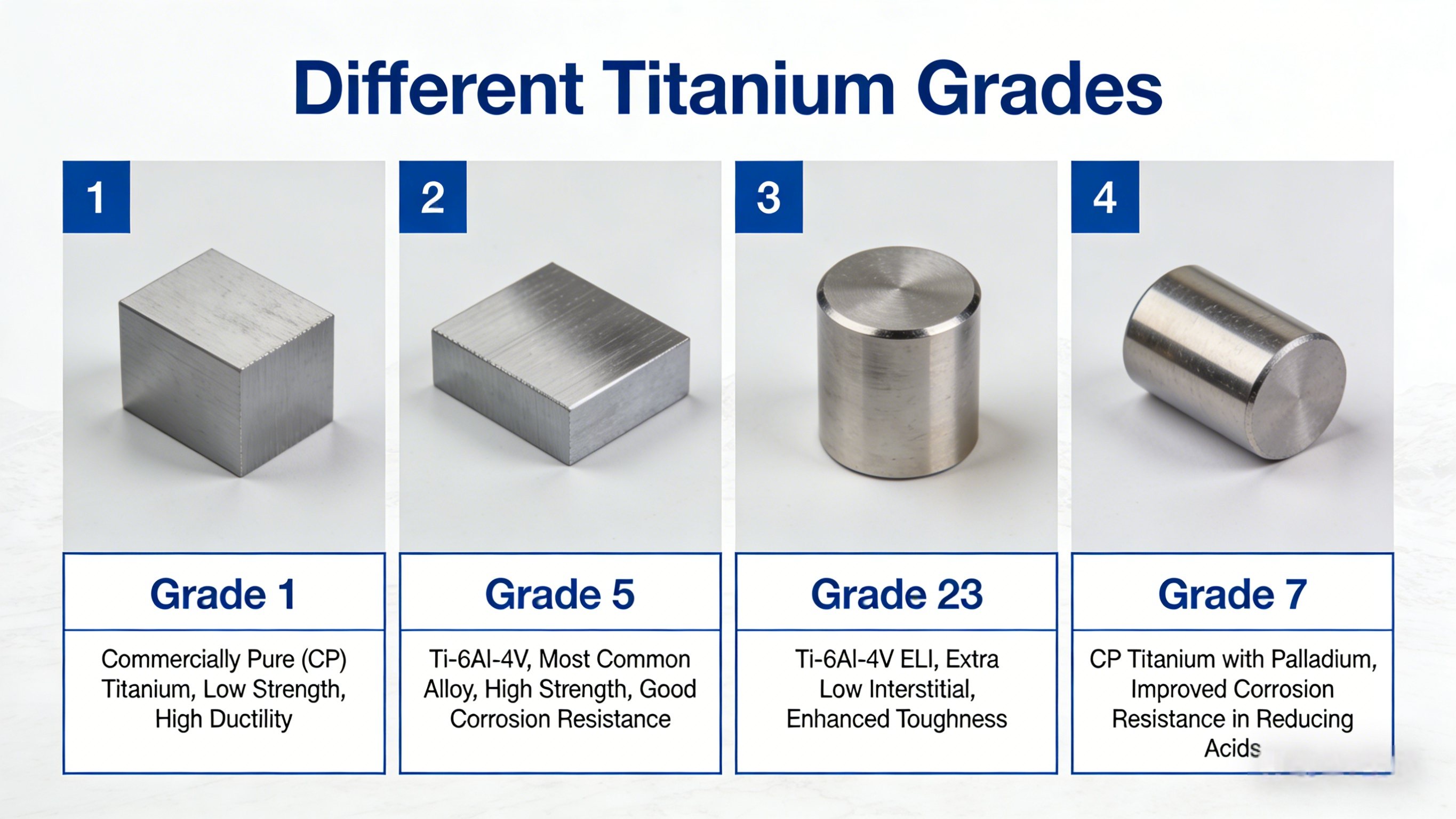
Table 1: ASTM Titanium and Titanium Alloy Grades
Grade | Major Composition | Impurities (Max %) | Key Characteristics & Applications |
Gr1 | Industrial Pure Titanium | Fe: 0.20, C: 0.08, N: 0.03, O: 0.18, H: 0.015 | Lowest strength among pure titanium, highest plasticity. Used for deep processing and highly formed plates/strips (e.g., plate heat exchangers). |
Gr2 | Industrial Pure Titanium | Fe: 0.30, C: 0.08, N: 0.03, O: 0.25, H: 0.015 | High strength with good plasticity. Widely used in CPI (tubular heat exchangers, vessels, pipes). The "workhorse" of industrial titanium. |
Gr3 | Industrial Pure Titanium | Fe: 0.30, C: 0.08, N: 0.05, O: 0.35, H: 0.015 | Strength slightly higher than Gr2, plasticity slightly lower. Used for welded pipes and pressure vessels. |
Gr4 | Industrial Pure Titanium | Fe: 0.50, C: 0.08, N: 0.05, O: 0.40, H: 0.015 | Highest strength among pure titanium grades. Used for aerospace components; generally not used in CPI due to lower formability. |
Gr5 | Ti-6Al-4V | Fe: 0.30, C: 0.08, N: 0.05, O: 0.20, H: 0.015 | Heat-treatable, very high strength.αalloy with good temperature resistance. Corrosion resistance slightly lower than CP Ti. Used in aerospace, ships, and CPI rotating parts (shafts, centrifuges, turbine blades). |
Gr6 | Ti-5Al-2.5Sn | α alloy. Corrosion resistance slightly below CP Ti. Suitable for parts requiring strength below 425°C. Used in aircraft parts and high-temp chemical equipment. | |
Gr7 | Ti-0.15Pd (Gr2 Base) | Mechanical properties identical to Gr2. Crevice corrosion resistance up to 260°C; improved resistance to reducing acids. Used in sealing surfaces and areas prone to scaling/crevice corrosion. | |
Gr9 | Ti-3Al-2.5V | High strength (lower than Gr5), corrosion resistance slightly below CP Ti. Used in aerospace, marine, and CPI rotating parts, pipes, and fasteners. | |
Gr10 | Ti-11.5Mo-6Zr-4.5Sn | High strength (lower than Gr5). $\beta$ alloy. Resistant to hot salt Stress Corrosion Cracking (SCC). Primarily aerospace. | |
Gr11 | Ti-0.15Pd (Gr1 Base) | Mechanical properties identical to Gr1. Used for deep-drawing parts requiring high corrosion and crevice corrosion resistance. | |
Gr12 | Ti-0.3Mo-0.8Ni | Strength between Gr3 and Gr4. Higher temperature resistance. Corrosion/crevice resistance superior to CP Ti but inferior to Gr7. A cost-effective alternative to Gr7 for temps <350°C. | |
Gr13 | Ti-0.5Ni-0.05Ru | Fe: 0.20, O: 0.10 | Alternative to Gr7/Gr11. Resists crevice corrosion and dilute reducing acids. |
Gr14 | Ti-0.5Ni-0.05Ru | Fe: 0.30, O: 0.15 | Same applications as Gr13, but with higher strength. |
Gr15 | Ti-0.5Ni-0.05Ru | Fe: 0.30, O: 0.25 | Same applications as Gr14, but with higher strength. |
Gr16 | Ti-0.05Pd (Gr2 Base) | Mechanical properties identical to Gr2. "Lean Palladium" grade to save cost. Applications same as Gr7. | |
Gr17 | Ti-0.05Pd (Gr1 Base) | Mechanical properties identical to Gr1. "Lean Palladium" grade. Applications same as Gr11. | |
Gr18 | Ti-3Al-2.5V-0.05Pd | (Gr9 Base) | Mechanical properties identical to Gr9. Used for high-strength equipment in high-temperature, high-acidity environments. |
Gr19 | Ti-3.5Al-4Mo-6Cr-8V-4Zr-0.05Pd | β alloy. Excellent corrosion resistance and high strength. Used in naval/ship applications. | |
Gr20 | Ti-3.5Al-4Mo-6Cr-8V-4Zr-0.05Pd | β alloy. Good corrosion resistance, excellent fatigue resistance. Used for oil & gas springs and components. | |
Gr21 | Ti-3Al-15Mo-0.2Si-2.5Nb-0.05Pd | β alloy. Excellent corrosion resistance, oxidation resistance, and creep resistance. Used for high-strength equipment up to 700°C. | |
Gr23 | Ti-6Al-4V ELI | Extra Low Interstitial (ELI) grade. Improved toughness and SCC resistance. Used for cryogenic components, subsea pipelines, and drilling risers. | |
Gr24 | Ti-6Al-4V-0.05Pd | (Gr5 Base) | Mechanical properties identical to Gr5. Used for high-temp, high-strength, highly corrosive environments. |
Gr25 | Ti-6Al-4V-0.5Ni-0.05Pd | Similar applications to Gr24. | |
Gr26 | Ti-0.10Ru (Gr2 Base) | Mechanical properties identical to Gr2. Ru replaces Pd for cost savings. Usage identical to Gr7. | |
Gr27 | Ti-0.10Ru (Gr1 Base) | Mechanical properties identical to Gr1. Ru replaces Pd. Usage identical to Gr11. | |
Gr28 | Ti-3Al-2.5V-0.10Ru | (Gr9 Base) | Mechanical properties identical to Gr9. Usage identical to Gr18. |
Gr29 | Ti-6Al-4V ELI-0.10Ru | (Gr23 Base) | Mechanical properties identical to Gr23. Used for cryogenic, anti-crevice corrosion, and anti-SCC equipment. |
Gr30 | Ti-0.05Pd-0.4Co | Mechanical properties identical to Gr2. Usage same as Gr16 but with enhanced corrosion resistance. | |
Gr31 | Ti-0.05Pd-0.4Co | Mechanical properties identical to Gr3. Usage same as Gr16 but with enhanced corrosion resistance. | |
Gr33 | Ti-0.4Ni-0.15Cr-0.01Pd-0.03Ru | Fe: 0.20, O: 0.10 | Addition of Cr, low Pd/Ru. Resists crevice corrosion and dilute reducing acids. Similar usage to Gr7/Gr11. |
Gr34 | Ti-0.4Ni-0.15Cr-0.01Pd-0.03Ru | Fe: 0.30, O: 0.15 | Same as Gr33, but with slightly higher strength. |
4. Detailed Breakdown of Chinese GB Titanium Grades
The Chinese GB system offers a comprehensive range of titanium grades that parallel the ASTM system while offering unique alloys developed for specific domestic aerospace and defense needs.
Table 2: Chinese GB Titanium Grades
Grade | Major Composition | Impurities (Max %) | Key Characteristics & Applications |
TA0 | Industrial Pure Titanium | Fe: 0.15, C: 0.10, N: 0.03, O: 0.15, H: 0.015 | Equivalent to ASTM Gr1. Highest purity and plasticity. |
TA1 | Industrial Pure Titanium | Fe: 0.25, C: 0.10, N: 0.03, O: 0.20, H: 0.015 | Equivalent to ASTM Gr2. |
TA2 | Industrial Pure Titanium | Fe: 0.30, C: 0.10, N: 0.05, O: 0.25, H: 0.015 | Equivalent to ASTM Gr3. Widely applied in civilian industries. |
TA3 | Industrial Pure Titanium | Fe: 0.40, C: 0.10, N: 0.05, O: 0.30, H: 0.015 | Equivalent to ASTM Gr4. |
TA4 | Ti-3Al | High plasticity alloy with defined strength. Used in aviation components. | |
TA5 | Ti-4Al-0.005B | High plasticity alloy with defined strength. Used in naval/ship components. | |
TA6 | Ti-5Al | Medium strength alloy. Used in aviation components. | |
TA7 | Ti-5Al-2.5Sn ELI | Ultra-low interstitial grade. Excellent cryogenic alloy. | |
TA7 ELI | Ti-5Al-2.5Sn ELI | Ultra-low interstitial grade. Specialized for cryogenic applications. | |
TA9 | Ti-0.2Pd | Equivalent to ASTM Gr7. Highly corrosion-resistant alloy. | |
TA10 | Ti-0.3Mo-0.8Ni | Equivalent to ASTM Gr12. Corrosion-resistant alloy. | |
TB2 | Ti-5Mo-5V-8Cr-3Al | High strength, high toughness alloy. Aviation components. | |
TB3 | Ti-3.5Al-10Mo-8V-1Fe | High strength, high toughness alloy. Aviation components. | |
TB4 | Ti-4Al-7Mo-10V-2Fe-1Zr | High strength, high toughness alloy. Aviation components. | |
TC1 | Ti-2Al-1.5Mn | High plasticity alloy with defined strength. Aviation components. | |
TC2 | Ti-4Al-1.5Mn | High plasticity alloy with defined strength. Aviation components. | |
TC3 | Ti-5Al-4V | High strength and toughness. Aviation components. | |
TC4 | Ti-6Al-4V | Equivalent to ASTM Gr5. The most widely used titanium alloy in aviation and civilian sectors. | |
TC6 | Ti-6Al-1.5Cr-2.5Mo-0.5Fe-0.3Si | Heat-resistant alloy. Used for aviation components. | |
TC9 | Ti-6.5Al-3.5Mo-2.5Sn-0.3Si | Heat-resistant alloy. Used for aviation components. | |
TC10 | Ti-6Al-6V-2Sn-0.5Cu-0.5Fe | Heat-resistant alloy. Used for aviation components. | |
TC11 | Ti-6.5Al-3.5Mo-1.5Zr-0.3Si | Heat-resistant alloy. Critical for aviation engine components. | |
TC12 | Ti-5Al-4Mo-4Cr-2Zr-2Sn-1Nb | Heat-resistant alloy. Aviation components. |
Frequently Asked Questions and Answers
Question 1: Performance and Application Differences
What are the key differences in mechanical properties (e.g., tensile strength, ductility, fatigue resistance), corrosion resistance, and temperature tolerance between commercially pure titanium grades (e.g., Grade 1, Grade 4) and titanium alloy grades (e.g., Ti-6Al-4V, Ti-5Al-2.5Sn)? How do these variations determine their suitability for specific industries such as aerospace, medical implants, or chemical processing?
The distinction between Commercially Pure (CP) titanium and titanium alloy grades lies fundamentally in their microstructural phases. CP grades (Gr1–Gr4) are Alpha-phase materials. They excel in ductility and formability, with Gr1 being the softest and most formable, making it ideal for heat exchanger plates that must be deeply pressed. Their corrosion resistance is generally superior in highly oxidizing environments because the lack of alloying elements allows for a perfect, uniform oxide layer. However, their tensile strength is relatively low (ranging from 240 MPa to 550 MPa).
In contrast, alloys like Ti-6Al-4V (Gr5/TC4) are $\alpha$-$\beta$ alloys. The addition of Vanadium stabilizes the Beta phase, significantly boosting tensile strength (often exceeding 900 MPa) and fatigue resistance. This makes them indispensable for aerospace structures and medical implants where high strength-to-weight ratios are critical. However, this strength comes at the cost of reduced ductility and slightly lower corrosion resistance in specific chemical environments compared to CP titanium. Consequently, CP grades dominate the chemical processing industry where corrosion is the primary concern, while alloys dominate aerospace where structural integrity under load is paramount.
Question 2: Processing Challenges and Cost Trade-offs
How do different titanium grades vary in terms of machinability, weldability, and formability during manufacturing processes? What are the cost differences between producing components from high-strength titanium alloys versus low-grade commercially pure titanium, and how do manufacturers balance performance requirements with production costs when selecting a grade?
Processing titanium is notoriously difficult, but the degree of difficulty varies by grade. CP titanium is highly formable and weldable but can be "gummy" during machining, leading to tool wear and galling. Titanium alloys like Gr5 are significantly harder and possess lower thermal conductivity, which concentrates heat at the cutting edge, making machining expensive and slow.
Regarding cost, CP titanium is generally cheaper than alloys due to the absence of expensive alloying elements like Vanadium and Molybdenum. However, the "Lean Palladium" grades (like Gr16 or Gr26) were specifically developed to bridge the cost gap. Standard Palladium grades (Gr7) are extremely expensive due to the precious metal content. By substituting Ruthenium (Gr26) or reducing Palladium content (Gr16), manufacturers can achieve near-Gr7 corrosion performance at a fraction of the cost. Engineers must balance these factors: if a part is static and in a corrosive acid, CP Ti or Gr12 is preferred. If the part rotates at high speed (centrifuge) or bears heavy loads (aircraft landing gear), the high processing cost of Gr5 or Ti-1023 is justified by the necessity of high strength.
Question 3: Industry-Specific Grade Selection Trends
What are the most commonly specified titanium grades in sectors like marine engineering, sports equipment, and automotive lightweighting, and what unique performance demands drive these preferences? How have emerging industry standards (e.g., biocompatibility regulations for medical devices) influenced the shift towards specific titanium grades in recent years?
In marine engineering, resistance to saltwater corrosion and crevice corrosion is vital. While CP Ti is good, higher temperature marine exhaust systems often utilize Gr12 or Gr9 for their enhanced thermal stability and corrosion resistance.
In the sports equipment sector (golf clubs, bicycle frames), Gr9 (Ti-3Al-2.5V) is a favorite. It offers a "sweet spot" of high strength (approaching Gr5) but with much better cold formability, allowing for the manufacture of seamless tubing—something very difficult to achieve with Gr5.
In the medical field, biocompatibility is the driving standard. While Gr5 has been used for decades, there is a shift toward Gr23 (Ti-6Al-4V ELI) and newer Niobium/Zirconium-based alloys. The ELI (Extra Low Interstitial) grades reduce oxygen and iron content to improve fracture toughness and prevent rejection by the body. Furthermore, concerns over the potential toxicity of Vanadium and Aluminum have spurred research into Beta-titanium alloys that are entirely free of these elements for next-generation implants.